
Top ERP software sets the stage for this enthralling narrative, offering readers a glimpse into a story that is rich in detail and brimming with originality from the outset. As businesses strive for efficiency and streamlined operations, the role of ERP software becomes increasingly vital.
Dive into this guide to discover the key features, implementation processes, integration capabilities, and customization options of the top ERP software solutions available.
Overview of Top ERP Software
![10 Best ERP Software For Businesses [Top Picks For 2025]](https://startup.sshstores.net/wp-content/uploads/2025/11/best-ERP-software-1024x576-1.jpg "10 Best ERP Software For Businesses [Top Picks For 2025]")
Enterprise Resource Planning (ERP) software is a comprehensive solution that integrates various functions of a business into a single system. It helps organizations streamline processes, improve efficiency, and make data-driven decisions.
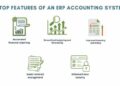
Key Features of Top ERP Software
- Centralized Database: All data is stored in a central location, ensuring consistency and accuracy.
- Modules for Different Functions: ERP software includes modules for finance, human resources, supply chain, manufacturing, and more.
- Real-time Reporting: Users can access up-to-date information and generate reports instantly.
- Automation of Tasks: Routine tasks can be automated, saving time and reducing errors.
- Scalability: ERP systems can grow with the business, accommodating increased data and users.
Importance of Implementing ERP Software in Businesses
Implementing ERP software is crucial for businesses looking to improve overall efficiency and productivity. Some key benefits include:
- Improved Decision Making: Access to real-time data allows for better decision making at all levels of the organization.
- Streamlined Processes: ERP software helps streamline processes, reduce manual tasks, and increase operational efficiency.
- Enhanced Visibility: By centralizing data, ERP software provides a comprehensive view of the organization, enabling better planning and forecasting.
- Cost Savings: Automation of tasks and improved efficiency can lead to cost savings in the long run.
Popular ERP Software Providers
When it comes to choosing an ERP software provider, there are several top players in the market that offer unique features tailored to different industries and business sizes. Let's take a look at some of the leading ERP software providers and what sets them apart.
SAP
SAP is one of the most well-known ERP software providers, offering a comprehensive suite of solutions for various industries. One of the key features of SAP is its integration capabilities, allowing businesses to streamline processes across departments. SAP targets medium to large enterprises looking for a robust ERP solution.
Oracle
Oracle is another major player in the ERP software market, known for its cloud-based ERP solutions. One of the standout features of Oracle is its scalability, making it suitable for businesses of all sizes. Oracle caters to a wide range of industries, including manufacturing, retail, and services.
Microsoft Dynamics 365
Microsoft Dynamics 365 is a popular choice for businesses looking for an ERP solution that integrates seamlessly with other Microsoft products. One of the unique features of Dynamics 365 is its flexibility, allowing businesses to customize the software to meet their specific needs.
Microsoft targets small to medium-sized businesses with its ERP solutions.
Infor
Infor offers industry-specific ERP solutions designed to meet the unique requirements of different sectors. Infor's standout feature is its focus on user experience, providing an intuitive interface for easy navigation. Infor caters to businesses in industries such as healthcare, manufacturing, and distribution.
NetSuite
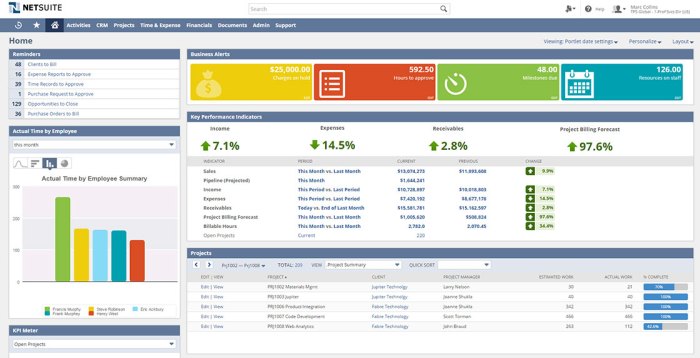
NetSuite, now owned by Oracle, is a cloud-based ERP solution known for its comprehensive functionality. One of the key features of NetSuite is its ability to support global operations, making it ideal for businesses with international operations. NetSuite targets mid-sized businesses and enterprises looking for a unified ERP platform.
Implementation Process of Top ERP Software
Implementing ERP software involves several key steps to ensure a successful integration into a business's operations. It is essential to understand the challenges that may arise during this process and learn how to overcome them for a smooth transition.
Steps Involved in Implementing ERP Software:
- Planning: Define objectives, set a timeline, and allocate resources for the implementation process.
- Selection: Choose the right ERP software that aligns with the business needs and goals.
- Customization: Tailor the ERP system to fit the specific requirements of the organization.
- Data Migration: Transfer existing data to the new ERP system accurately and securely.
- Training: Provide comprehensive training to employees to ensure they can effectively use the ERP software.
- Testing: Conduct thorough testing to identify and resolve any issues before going live.
- Go-Live: Launch the ERP system and monitor its performance closely to address any issues promptly.
- Optimization: Continuously improve and optimize the ERP system based on feedback and performance metrics.
Challenges Businesses May Face During ERP Software Implementation:
- Resistance to Change: Employees may resist adopting new processes and technologies.
- Data Integration: Ensuring seamless integration of data from various sources can be complex.
- Budget Constraints: Unexpected costs may arise during the implementation process.
- Lack of Expertise: Inadequate knowledge and skills can hinder the successful implementation of ERP software.
Tips for a Successful ERP Software Implementation:
- Gain Executive Support: Secure buy-in from top management to drive the implementation process.
- Communicate Effectively: Keep all stakeholders informed and engaged throughout the implementation.
- Train Employees: Provide comprehensive training to ensure a smooth transition to the new ERP system.
- Set Realistic Expectations: Define clear goals and timelines to manage expectations effectively.
- Monitor Progress: Regularly track and assess the progress of the implementation to address any issues promptly.
- Seek External Support: Consider consulting with experts or hiring external help to ensure a successful implementation.
Integration Capabilities of Top ERP Software
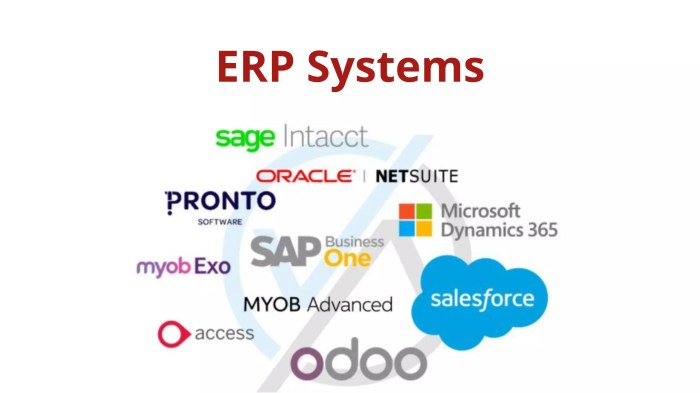
ERP software is designed to seamlessly integrate with other business systems to streamline operations and improve overall efficiency. The integration capabilities of top ERP software play a crucial role in enhancing communication and data flow across various departments within an organization.
Benefits of Seamless Integration
- Improved Data Accuracy: Integration ensures that data is consistently updated across all systems, reducing errors and improving decision-making.
- Enhanced Visibility: With integrated systems, users have real-time access to information from different departments, enabling better insights and faster response times.
- Increased Efficiency: By automating processes and eliminating manual data entry, integration helps in saving time and resources.
- Cost Savings: Integration reduces the need for multiple standalone systems, leading to cost savings in terms of licensing, maintenance, and support.
Successful Integration Scenarios
- Customer Relationship Management (CRM) Integration: Top ERP software can integrate with CRM systems to provide a 360-degree view of customer interactions, enabling personalized service and targeted marketing campaigns.
- Supply Chain Management (SCM) Integration: Integration with SCM systems allows for better coordination of inventory levels, production schedules, and order fulfillment, leading to improved supply chain efficiency.
- Business Intelligence (BI) Integration: ERP software integration with BI tools enables advanced analytics and reporting capabilities, helping organizations make data-driven decisions for business growth.
Customization Options in Top ERP Software
Customization plays a crucial role in tailoring ERP software to meet the specific needs of a business. Let's explore the level of customization available in leading ERP software and compare the customization features of different solutions.
SAP ERP
- SAP ERP offers a high level of customization through its modular structure, allowing businesses to select and configure modules based on their requirements.
- Users can customize workflows, reports, and dashboards to align with their business processes.
- Advanced customization options are available through SAP's development platform, enabling businesses to create custom applications and integrations.
Oracle ERP Cloud
- Oracle ERP Cloud provides a flexible and scalable customization framework, allowing businesses to personalize fields, forms, and workflows.
- Users can create custom reports and analytics to gain insights tailored to their specific business needs.
- The platform supports custom extensions and integrations through Oracle's PaaS offerings.
Microsoft Dynamics 365
- Microsoft Dynamics 365 offers extensive customization capabilities, allowing businesses to modify forms, views, and processes to match their unique requirements.
- Users can build custom workflows and business logic using Microsoft Power Automate and Power Apps.
- The platform also supports seamless integration with other Microsoft products for enhanced customization options.
Best practices for customizing ERP software include conducting a thorough analysis of business processes, involving key stakeholders in the customization process, and regularly reviewing and updating customizations to ensure alignment with evolving business needs.
Conclusion
In conclusion, the world of top ERP software is vast and dynamic, offering businesses a myriad of opportunities to enhance their operations. From seamless integration to tailored customization options, these software solutions pave the way for growth and efficiency. Embrace the power of top ERP software and unlock the potential for your business's success.
Key Questions Answered
What is ERP software?
ERP software stands for enterprise resource planning software, which helps businesses integrate and manage their key processes in a centralized system.
How can businesses benefit from implementing top ERP software?
Implementing top ERP software can lead to improved efficiency, better decision-making, streamlined operations, and enhanced productivity for businesses.
What are some common challenges during ERP software implementation?
Common challenges during ERP software implementation include data migration issues, resistance from employees, and the need for extensive training.
Can ERP software be customized to meet specific business needs?
Yes, leading ERP software solutions offer a high level of customization to tailor the system according to specific business requirements.
How do top ERP software solutions integrate with other business systems?
Top ERP software solutions offer seamless integration with other business systems through APIs, connectors, and data mapping processes.