
Embark on a journey into the world of Sage 300 software, where efficiency meets innovation to transform businesses. Discover how this robust software solution can revolutionize your operations and drive success in the digital age.
Unveil the key features, benefits, and practical applications of Sage 300 software as we delve deeper into its functionalities and customization options.
Overview of Sage 300 Software
Sage 300 software is a comprehensive business management solution designed to streamline financials, operations, and inventory management for small to medium-sized businesses. It offers a range of key features that help businesses improve efficiency and decision-making processes.
Key Features of Sage 300 Software
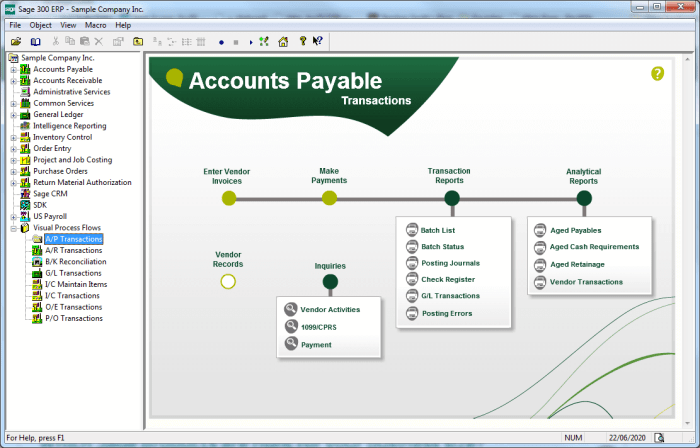
- Integrated Accounting: Sage 300 provides robust accounting tools for managing finances, including general ledger, accounts payable/receivable, and bank reconciliation.
- Inventory Management: Businesses can track inventory levels, manage orders, and optimize stock levels to minimize costs and improve customer satisfaction.
- Business Intelligence: Sage 300 offers reporting and analytics tools to help businesses gain insights into performance and make informed decisions.
- Multi-Currency Support: With support for multiple currencies, businesses can easily manage international transactions and expand into global markets.
Industries Using Sage 300 Software
- Manufacturing: Sage 300 is commonly used in the manufacturing industry to optimize production processes and manage supply chain operations.
- Distribution: Businesses in the distribution sector leverage Sage 300 to streamline inventory management, order processing, and logistics.
- Professional Services: Service-based companies benefit from Sage 300's project management capabilities and financial tools to track billable hours and expenses.
Benefits of Implementing Sage 300 Software for Businesses
- Improved Efficiency: Sage 300 automates repetitive tasks, reduces manual errors, and accelerates processes, leading to increased productivity.
- Enhanced Decision-Making: With real-time data and reporting capabilities, businesses can make informed decisions quickly and adapt to changing market conditions.
- Cost Savings: By optimizing inventory levels, reducing operational inefficiencies, and improving financial management, businesses can lower costs and increase profitability.
Implementation and Setup
When implementing Sage 300 software, it is essential to follow a step-by-step guide to ensure a smooth and successful setup process. Understanding the system requirements and best practices is crucial for optimizing the performance of Sage 300 software.
System Requirements
- Operating System: Windows Server 2012 R2 or later, Windows 10 Professional
- Processor: Intel Core i5 or higher
- Memory: 8GB RAM or higher
- Available Disk Space: 20GB or more
- Database: Microsoft SQL Server 2012 or later
It is important to ensure that your system meets these requirements before installing Sage 300 software to avoid any compatibility issues.
Setting up Sage 300 Software
- Begin by downloading the latest version of Sage 300 software from the official website.
- Run the installation wizard and follow the on-screen instructions to complete the installation process.
- Configure the database connection settings and ensure proper integration with Microsoft SQL Server.
- Set up user permissions and access levels according to your organization's requirements.
- Import existing data or set up new data files to start using Sage 300 software effectively.
Optimizing performance in Sage 300 software involves regular updates, proper data management, and customization based on your business needs. Following these best practices will help you make the most out of this powerful software.
Functionality and Modules
In Sage 300 software, there are various modules designed to cater to different aspects of business operations. These modules offer specific functionalities to meet the diverse needs of businesses.
Accounting Module
The accounting module in Sage 300 software provides comprehensive tools for managing financial transactions, generating reports, and ensuring compliance with accounting standards. Users can track expenses, create budgets, and handle general ledger activities efficiently.
Inventory Management Module
The inventory management module enables businesses to effectively monitor and control their inventory levels. Users can track stock movements, optimize reorder points, and streamline the procurement process. This module helps in reducing carrying costs and minimizing stockouts.
Sales and Customer Relationship Management (CRM) Module
The sales and CRM module in Sage 300 software focuses on enhancing customer interactions and improving sales processes. It allows businesses to track leads, manage customer data, and analyze sales pipelines. This module helps in building strong customer relationships and increasing sales efficiency.
Human Resources Module
The human resources module assists businesses in managing employee information, payroll processing, and benefits administration. It streamlines HR tasks, ensures compliance with labor laws, and enhances workforce productivity. This module is essential for maintaining a well-organized and motivated workforce.
Comparing Sage 300 Versions
Sage 300 software offers different versions such as Sage 300 Standard, Advanced, and Premium. The Standard version provides basic accounting functionalities, while the Advanced version includes additional modules like CRM and HR. The Premium version offers advanced features such as multi-company consolidation and business intelligence tools.
Each version caters to specific business requirements and can be tailored to meet individual needs.
Customization and Integration
Customization and integration are key aspects of maximizing the efficiency and effectiveness of Sage 300 software for businesses. By tailoring the software to meet specific needs and seamlessly integrating it with other applications or systems, organizations can streamline their operations and improve overall productivity.
Customization of Sage 300 Software
Customization of Sage 300 software allows businesses to adapt the system to their unique requirements, ensuring that it aligns perfectly with their workflows and processes. This can involve configuring settings, creating custom reports, adding new fields, or even developing bespoke modules to address specialized needs.
- Customizing user interfaces to match company branding and improve user experience.
- Modifying workflows to automate repetitive tasks and optimize business processes.
- Developing custom alerts and notifications to enhance decision-making and proactive management.
Integration with Other Applications
Integrating Sage 300 software with other applications or systems is crucial for ensuring seamless data flow and eliminating manual data entry errors. This allows for real-time information sharing, improved accuracy, and increased efficiency across different departments or functions within an organization.
- Integrating Sage 300 with CRM systems for a holistic view of customer interactions and financial transactions.
- Connecting Sage 300 with e-commerce platforms to synchronize inventory levels and sales data.
- Linking Sage 300 with payroll software to streamline payroll processing and ensure compliance with regulations.
Examples of Successful Integrations
Several businesses have successfully integrated Sage 300 software with various applications to enhance their operations and drive growth. These integrations have resulted in improved data accuracy, increased productivity, and better decision-making capabilities.
One example is a manufacturing company that integrated Sage 300 with a supply chain management system to optimize inventory levels, reduce lead times, and enhance production planning.
Another example is a retail business that integrated Sage 300 with a point-of-sale system to centralize sales data, streamline transactions, and improve customer service.
Training and Support
Training and support are crucial components for users of Sage 300 software to maximize its potential and efficiency. Ongoing education and assistance ensure that users can navigate the software effectively and address any issues that may arise.
Training Options
- On-site Training: Sage offers on-site training sessions where a certified instructor comes to your location to provide hands-on training tailored to your specific needs.
- Virtual Training: Users can also opt for virtual training sessions conducted online, allowing for flexibility and accessibility without the need for travel.
- Self-paced Learning: Sage provides resources such as online tutorials, user guides, and video tutorials for users to learn at their own pace and convenience.
Importance of Support and Maintenance
Regular support and maintenance for Sage 300 software are essential to ensure smooth operation, prevent downtime, and address any technical issues promptly.
- Technical Support: Having access to technical support from Sage experts can help users troubleshoot problems quickly and efficiently.
- Software Updates: Regular updates and maintenance ensure that the software is up-to-date with the latest features, enhancements, and security patches.
- Data Backup: Implementing a robust data backup strategy is crucial to prevent data loss and ensure business continuity in case of unforeseen events.
Troubleshooting Common Issues
- Performance Issues: Users experiencing slow performance can optimize their system settings, clear cache, or upgrade hardware to improve speed.
- Integration Problems: Verify that third-party integrations are compatible with Sage 300 software and update any plugins or connectors as needed.
- Reporting Errors: Ensure that report templates are correctly configured and that data inputs are accurate to avoid reporting discrepancies.
Conclusive Thoughts
In conclusion, Sage 300 software stands as a versatile tool for modern businesses seeking growth and optimization. With its customizable features, seamless integrations, and reliable support, Sage 300 software is a game-changer in the realm of enterprise solutions.
Essential Questionnaire
Is Sage 300 software suitable for small businesses?
Yes, Sage 300 software caters to businesses of all sizes, offering scalable solutions to meet varying needs.
Can Sage 300 software be accessed remotely?
Yes, Sage 300 software supports remote access, allowing users to work from anywhere with an internet connection.
What kind of training options are available for Sage 300 software users?
Training options include online tutorials, in-person workshops, and comprehensive user manuals to facilitate learning and usage.
How can Sage 300 software be customized for specific business requirements?
Sage 300 software offers customization tools that enable businesses to tailor the software to their unique processes and workflows.
Is ongoing support provided for Sage 300 software users?
Yes, ongoing support and maintenance services are available to ensure smooth operation and address any issues that may arise.