
Kicking off with retail ERP systems, this guide dives into the world of Retail ERP systems, exploring their importance and impact on retail businesses. From understanding the concept to discussing implementation and customization, this comprehensive overview covers all you need to know.
Overview of Retail ERP Systems
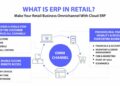
Retail ERP systems are comprehensive software solutions designed to streamline and optimize the operations of retail businesses. These systems integrate various functions such as inventory management, sales tracking, customer relationship management, financial management, and more into a single platform, providing retailers with a centralized and efficient way to manage their business processes.
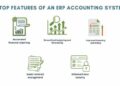
Key Features of Retail ERP Systems
Retail ERP systems come with a range of key features that help retailers enhance their operational efficiency and decision-making processes. Some of the key features of these systems include:
- Inventory Management: Allows retailers to track stock levels, manage order fulfillment, and optimize inventory turnover.
- Sales Tracking: Provides real-time insights into sales performance, customer buying patterns, and product performance.
- Financial Management: Enables retailers to automate financial processes, generate accurate financial reports, and monitor cash flow.
- Customer Relationship Management (CRM): Helps retailers build and maintain customer relationships through personalized communication and targeted marketing strategies.
- Supply Chain Management: Streamlines the supply chain process, from sourcing raw materials to delivering finished products to customers.
Benefits of Implementing Retail ERP Systems
Implementing a retail ERP system offers numerous benefits to retail businesses, including:
- Improved Efficiency: By automating manual processes and providing real-time data insights, retail ERP systems help retailers operate more efficiently.
- Enhanced Decision-Making: With access to accurate and timely data, retailers can make informed decisions that drive business growth and profitability.
- Cost Savings: By optimizing inventory levels, reducing wastage, and improving overall operational efficiency, retail ERP systems help retailers save costs.
- Improved Customer Experience: With CRM integration, retailers can provide personalized customer service and targeted marketing campaigns, enhancing the overall customer experience.
- Scalability: Retail ERP systems are scalable and can grow with the business, accommodating the changing needs and demands of a retail operation.
Components of Retail ERP Systems
Retail ERP systems are complex software solutions designed to streamline and optimize the operations of retail businesses. These systems consist of various components that work together to manage different aspects of the retail operations efficiently.
Essential Components of Retail ERP Systems:
- Inventory Management: This module helps in tracking and managing inventory levels, ensuring optimal stock levels, and preventing stockouts or overstock situations.
- Sales and CRM: This component focuses on managing customer relationships, tracking sales orders, and analyzing customer data to improve sales strategies.
- Point of Sale (POS): The POS module allows retailers to process transactions, manage payments, and track sales in real-time at the point of sale.
- Supply Chain Management: This component helps in optimizing the supply chain, managing vendors, and ensuring timely delivery of products.
- Financial Management: The financial module handles accounting, budgeting, and financial reporting to ensure the financial health of the retail business.
Comparison with Generic ERP Systems:
While generic ERP systems focus on overall business operations, retail ERP systems are specifically tailored to meet the unique needs of retail businesses. Retail ERP systems often include industry-specific modules such as merchandise planning, store operations, and e-commerce integration, which are not typically found in generic ERP systems.
Implementation of Retail ERP Systems
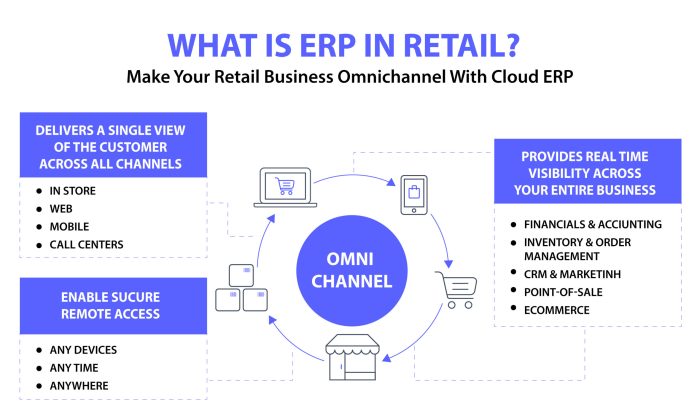
Implementing a Retail ERP system involves several steps to ensure a successful integration and utilization of the software within the retail business environment. However, this process can also pose various challenges that need to be addressed in order to achieve a seamless transition.
Steps involved in implementing Retail ERP systems:
- Planning and Preparation: This stage involves defining the goals and objectives of implementing the ERP system, conducting a needs assessment, and creating a detailed project plan.
- System Selection: Choosing the right ERP system that meets the specific requirements of the retail business is crucial. This involves evaluating different vendors, conducting demos, and selecting the best fit.
- Customization and Configuration: Tailoring the ERP system to align with the unique processes and workflows of the retail business is essential. This step involves configuring the software and integrating it with existing systems.
- Data Migration: Transferring data from legacy systems to the new ERP system accurately and securely is a critical step in the implementation process. This ensures that historical data is preserved and accessible in the new system.
- Training and Testing: Providing comprehensive training to employees on how to use the ERP system effectively is essential for successful implementation. Testing the system thoroughly before going live helps identify any issues or gaps that need to be addressed.
- Go-Live and Support: Launching the ERP system across the retail organization and providing ongoing support and maintenance is crucial. Monitoring the system performance and addressing any issues promptly ensures a smooth transition.
Common challenges faced during the implementation process:
- Resistance to Change: Employees may resist adopting new processes and technologies, leading to slow adoption rates and decreased productivity.
- Integration Issues: Ensuring seamless integration with existing systems and third-party applications can be complex and may lead to data inconsistencies.
- Budget and Time Constraints: Limited resources and tight timelines can impact the implementation process, leading to delays and cost overruns.
- Lack of Executive Support: Without strong leadership and support from management, the implementation process may face roadblocks and lack direction.
Best practices for a successful Retail ERP system implementation:
- Establish Clear Communication: Keeping all stakeholders informed and engaged throughout the implementation process helps manage expectations and address concerns proactively.
- Engage End Users: Involving end users in the planning, training, and testing phases ensures that the ERP system meets their needs and enhances user adoption.
- Monitor Progress Continuously: Regularly tracking key performance indicators and milestones helps identify potential issues early and take corrective actions promptly.
- Provide Ongoing Training and Support: Offering continuous training and support post-implementation ensures that users are equipped to maximize the benefits of the ERP system.
Integration with Other Retail Systems
Integrating Retail ERP systems with other retail systems is crucial for streamlining operations and maximizing efficiency in the retail industry.
Integration with POS Systems
Integrating Retail ERP systems with Point of Sale (POS) systems allows for real-time synchronization of sales data, inventory levels, and customer information.
- Automated Data Transfer: Retail ERP systems can automatically update inventory levels and sales data in real-time, eliminating the need for manual data entry.
- Improved Accuracy: Integration with POS systems ensures that data is accurate and up-to-date, reducing errors and discrepancies.
- Enhanced Customer Experience: With integrated POS systems, retailers can access customer purchase history and preferences, allowing for personalized marketing and improved customer service.
Enhancement of Inventory Management and Customer Relationship Management
Retail ERP systems enhance inventory management and customer relationship management by providing a centralized platform for monitoring and analyzing data.
- Inventory Optimization: By integrating with ERP systems, retailers can track inventory levels, forecast demand, and optimize stock levels to prevent stockouts or overstock situations.
- Customer Insights: Retail ERP systems capture customer data from various touchpoints, enabling retailers to analyze purchasing patterns, preferences, and behaviors to tailor marketing strategies and enhance customer loyalty.
- Streamlined Operations: Integration with ERP systems streamlines processes such as order fulfillment, returns management, and customer inquiries, improving overall operational efficiency.
Customization and Scalability of Retail ERP Systems
Customization and scalability are essential aspects of Retail ERP systems that allow businesses to tailor the software to their specific needs and accommodate growth. Let's delve into the customization options available and how Retail ERP systems can scale with a business.
Customization Options in Retail ERP Systems
- Customized Dashboards: Retail ERP systems offer the flexibility to create personalized dashboards with key performance indicators (KPIs) relevant to the business.
- Module Selection: Businesses can choose modules based on their requirements, such as inventory management, customer relationship management (CRM), or financials, and customize them accordingly.
- Workflow Customization: Retail ERP systems allow businesses to configure workflows to match their unique processes and automate tasks for efficiency.
- Report Customization: Businesses can customize reports to analyze data specific to their operations, helping in informed decision-making.
Scalability of Retail ERP Systems
- Increased Transactions: Retail ERP systems can handle a growing volume of transactions as businesses expand, ensuring smooth operations without system slowdowns.
- Additional Users: Scalable Retail ERP systems can accommodate more users as the business grows, maintaining performance and data integrity.
- Integration Capabilities: Scalable systems can integrate with other software solutions or add-ons to support evolving business needs and processes.
Examples of Tailoring Retail ERP Systems
- Customized Loyalty Programs: Retailers can customize loyalty programs within the ERP system to reward customers based on their purchasing behavior.
- Unique Pricing Models: Businesses can tailor pricing models within the system to offer discounts, promotions, or dynamic pricing strategies based on market trends.
- Personalized Customer Experiences: Retail ERP systems can be customized to track customer preferences and provide personalized recommendations, enhancing the overall shopping experience.
Closing Notes
In conclusion, Retail ERP systems serve as a crucial tool for modern retail businesses, streamlining operations and enhancing efficiency. By integrating with other retail systems and offering customization options, Retail ERP systems pave the way for sustainable growth and success in the competitive retail landscape.
FAQ Corner
What are the key features of Retail ERP systems?
Some key features include inventory management, customer relationship management, financial management, and supply chain integration.
How do Retail ERP systems differ from generic ERP systems?
Retail ERP systems are tailored specifically for retail businesses, focusing on industry-specific functions and requirements, unlike generic ERP systems.
What steps are involved in implementing Retail ERP systems?
The steps include planning, system selection, data migration, training, testing, and going live.
How can Retail ERP systems enhance inventory management?
By providing real-time visibility into inventory levels, tracking stock movements, and automating replenishment processes.
Are Retail ERP systems scalable for business growth?
Yes, Retail ERP systems are designed to scale with the business, accommodating growth and expansion seamlessly.