
Unlock the potential of Microsoft Dynamics 365 ERP System with a comprehensive look at its features, modules, and benefits. Dive into a world of seamless integration and customization, where organizations thrive in efficiency and productivity.
Overview of Microsoft Dynamics 365 ERP System
Microsoft Dynamics 365 ERP System is a comprehensive enterprise resource planning solution designed to streamline business processes, improve efficiency, and drive growth. It offers a wide range of features and modules to meet the unique needs of various industries.
Primary Features of Microsoft Dynamics 365 ERP System
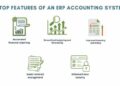
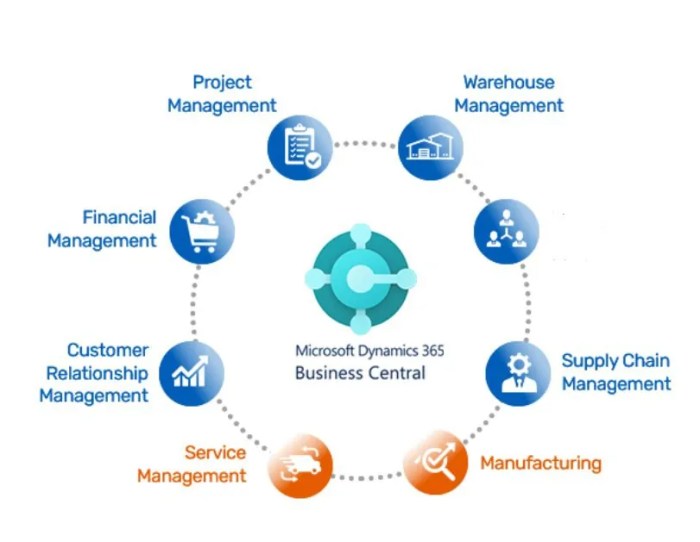
- Financial Management: Manage financial operations, budgets, and cash flow effectively.
- Supply Chain Management: Track inventory, optimize supply chain processes, and enhance visibility.
- Human Resource Management: Streamline HR functions, payroll, and employee performance.
- Project Management: Plan, execute, and monitor projects with precision and control.
- Sales and Marketing: Drive sales growth, manage customer relationships, and track marketing campaigns.
Modules Available in Microsoft Dynamics 365 ERP System
- Finance and Operations
- Retail
- Talent
- Project Service Automation
- Sales
- Customer Service
Benefits of Using Microsoft Dynamics 365 ERP System
- Improved Efficiency: Automate processes, reduce manual tasks, and increase productivity.
- Enhanced Visibility: Gain real-time insights into business operations and performance.
- Scalability: Easily scale the system to adapt to business growth and changing needs.
- Integrated Solution: Connect data and processes across departments for seamless operations.
- Cost Savings: Reduce operational costs, eliminate redundancies, and optimize resources.
Implementation of Microsoft Dynamics 365 ERP System
Implementing Microsoft Dynamics 365 ERP System in an organization involves several key steps to ensure a successful integration of the system into the existing business processes. Compared to other ERP systems, the implementation process of Microsoft Dynamics 365 offers unique features and advantages that can streamline operations and improve efficiency.
Here are some best practices for a successful implementation of Microsoft Dynamics 365 ERP System:
Assessment and Planning
Before implementing Microsoft Dynamics 365 ERP System, it is crucial to assess the current business processes, identify key areas for improvement, and set clear goals for the implementation. Planning plays a critical role in ensuring a smooth transition to the new system.
- Conduct a thorough analysis of business requirements and processes
- Define clear objectives and expectations for the implementation
- Create a detailed project plan with timelines and milestones
Customization and Configuration
One of the strengths of Microsoft Dynamics 365 ERP System is its flexibility and scalability. During implementation, organizations can customize and configure the system to meet their specific needs and requirements.
- Work closely with consultants and IT experts to customize the system
- Configure modules and functionalities according to business processes
- Ensure seamless integration with existing software and systems
Training and User Adoption
To maximize the benefits of Microsoft Dynamics 365 ERP System, it is essential to provide comprehensive training to employees and ensure smooth user adoption.
- Organize training sessions for employees at all levels of the organization
- Offer ongoing support and resources for users to learn and adapt to the new system
- Encourage feedback and address any concerns or challenges during the implementation phase
Testing and Quality Assurance
Before fully deploying Microsoft Dynamics 365 ERP System, rigorous testing and quality assurance processes should be conducted to identify and resolve any issues or errors.
- Perform comprehensive testing of all modules and functionalities
- Conduct user acceptance testing to ensure the system meets requirements
- Address any bugs or issues promptly to avoid disruptions post-implementation
Customization and Configuration in Microsoft Dynamics 365 ERP System
Customization and configuration are essential aspects of Microsoft Dynamics 365 ERP system that allow businesses to tailor the system to suit their specific needs and optimize performance.
Customization Examples
- Adding custom fields to forms and entities to capture unique data points relevant to the business.
- Creating custom workflows to automate business processes and streamline operations.
- Developing custom reports and dashboards to provide insights tailored to the organization's requirements.
Configuration Options
- Adjusting security settings to control access levels and permissions for different users within the organization.
- Configuring business rules to enforce specific processes and validations based on predefined criteria.
- Setting up email templates and alert notifications to improve communication and enhance user engagement.
Importance of Customization and Configuration
Customization and configuration play a crucial role in optimizing the performance of Microsoft Dynamics 365 ERP system by ensuring that the system aligns with the unique requirements and workflows of the business. By tailoring the system to meet specific needs, organizations can enhance efficiency, improve data accuracy, and drive better decision-making processes.
Integration Capabilities of Microsoft Dynamics 365 ERP System
Microsoft Dynamics 365 ERP System offers robust integration capabilities, allowing seamless connectivity with a wide range of software applications to enhance overall business processes and efficiency.
Integration Options for On-Premises vs. Cloud-Based Deployments
- On-Premises Deployment: For on-premises deployments, integration with Microsoft Dynamics 365 ERP System can be achieved through middleware solutions, custom APIs, or connectors. This allows organizations to connect their existing systems with the ERP software for data synchronization and streamlined operations.
- Cloud-Based Deployment: Cloud-based deployments of Microsoft Dynamics 365 ERP System offer integration options through pre-built connectors, APIs, and third-party integration platforms. This enables organizations to easily connect cloud applications, such as CRM systems, e-commerce platforms, or marketing automation tools, with the ERP software for real-time data sharing and automation.
Examples of Successful Integrations with Microsoft Dynamics 365 ERP System
- Integration with Microsoft Office 365: Microsoft Dynamics 365 ERP System seamlessly integrates with Office 365, enabling users to access ERP data within familiar Office applications like Excel, Outlook, and SharePoint for enhanced productivity and collaboration.
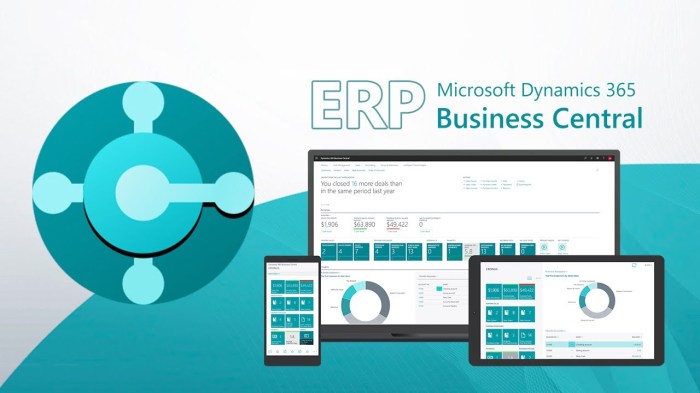
- Integration with Power BI: By integrating with Power BI, Microsoft's business analytics tool, organizations can gain valuable insights from ERP data through interactive dashboards, reports, and visualizations, helping in making informed business decisions and driving growth.
- Integration with Azure Services: Microsoft Dynamics 365 ERP System integrates with Azure services, such as Azure IoT Hub and Azure Machine Learning, to leverage advanced technologies for predictive maintenance, IoT data processing, and AI-driven analytics, enhancing operational efficiency and innovation.
Closure
In conclusion, Microsoft Dynamics 365 ERP System stands as a game-changer for businesses seeking streamlined operations and enhanced performance. Embrace the future of ERP solutions with Microsoft Dynamics 365.
Question & Answer Hub
How can organizations benefit from using Microsoft Dynamics 365 ERP System?
Organizations can benefit from improved efficiency, productivity, and streamlined operations through the use of Microsoft Dynamics 365 ERP System.
What are the steps involved in implementing Microsoft Dynamics 365 ERP System?
The implementation process involves planning, configuration, data migration, testing, and training to ensure a successful deployment.
How can Microsoft Dynamics 365 ERP System be customized to meet specific business needs?
Customization options include tailoring workflows, fields, and reports to align with unique business requirements.