
As ERP packages take center stage, this opening passage beckons readers into a world crafted with good knowledge, ensuring a reading experience that is both absorbing and distinctly original. In this guide, we will delve into the intricacies of ERP packages, exploring their role in streamlining business operations and enhancing efficiency.
Overview of ERP packages

ERP (Enterprise Resource Planning) packages are software solutions designed to streamline and integrate various business processes and functions within an organization. The main purpose of ERP packages is to improve efficiency, increase productivity, and provide real-time visibility into key business operations.
By centralizing data and automating workflows, ERP systems help companies make informed decisions and optimize their overall performance.
Key Features of ERP packages
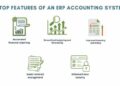
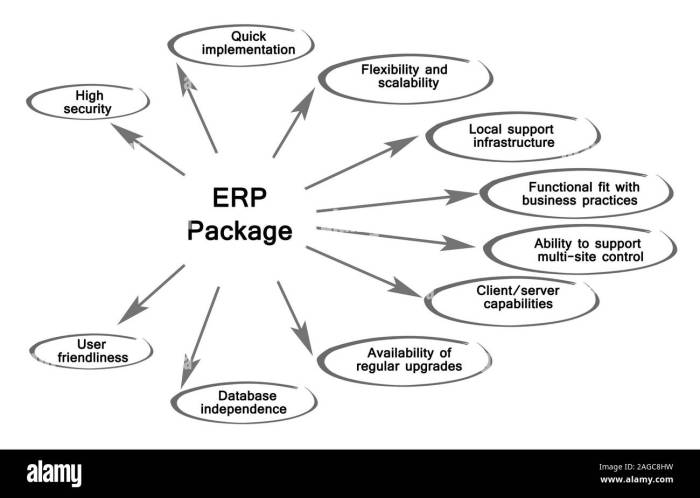
- Integrated System: ERP packages combine different modules such as finance, human resources, inventory management, and customer relationship management into a single platform.
- Real-time Data: ERP systems provide up-to-date information across all departments, enabling better decision-making and forecasting.
- Scalability: ERP solutions can scale with the growth of the organization, accommodating changes in business requirements and operations.
- Customization: Many ERP packages offer customization options to meet the specific needs and workflows of different industries.
- Reporting and Analytics: ERP software includes reporting tools and analytics capabilities to help businesses track performance and identify trends.
Types of ERP packages
- Cloud-Based ERP: These systems are hosted on remote servers, offering flexibility, scalability, and cost-effectiveness.
- On-Premises ERP: The software is installed and maintained on the company's own servers, providing greater control over data security and customization.
- Open-Source ERP: These solutions are freely available, allowing businesses to modify and customize the software according to their needs.
- Industry-Specific ERP: Some ERP packages are tailored to specific industries such as manufacturing, healthcare, or retail, addressing unique requirements and compliance regulations.
Implementation of ERP packages
Implementing an ERP package in an organization involves a series of steps to ensure a smooth transition and successful integration of the system.
Steps involved in implementing an ERP package:
- Planning and Strategy Development: Define the objectives, scope, and timeline of the implementation process.
- Selection of ERP Package: Choose the right ERP software that aligns with the organization's requirements.
- Customization and Configuration: Tailor the ERP system to meet specific business needs and processes.
- Data Migration: Transfer existing data to the new ERP system without loss or corruption.
- Training and Testing: Train employees on using the ERP software and conduct thorough testing to ensure functionality.
- Go-Live and Support: Launch the ERP system and provide ongoing support for users.
Challenges organizations may face during ERP package implementation:
- Resistance to Change: Employees may resist adopting new processes and technologies.
- Data Integration Issues: Difficulty in integrating data from different departments or legacy systems.
- Budget and Time Constraints: Overlooking budget constraints and underestimating the time required for implementation.
- Lack of Proper Training: Insufficient training for employees leading to low user adoption rates.
Best practices for successful ERP package implementation:
- Executive Support: Obtain buy-in from top management to drive the implementation process.
- Clear Communication: Communicate the benefits and objectives of the ERP system to all stakeholders.
- Change Management: Implement a change management strategy to help employees transition smoothly.
- Data Quality Assurance: Ensure data accuracy and cleanliness before migration to the new system.
- Continuous Monitoring: Regularly monitor the ERP system's performance and address any issues promptly.
Customization of ERP packages
Customizing ERP packages is crucial to tailor the software to meet the specific needs of a business. By making adjustments and enhancements, companies can optimize their processes and workflows, leading to increased efficiency and productivity.
Common Customization Options
- Customized Dashboards: Businesses can personalize dashboards to display relevant data and key performance indicators based on their specific requirements.
- Workflow Modifications: ERP systems can be customized to streamline and automate workflows according to the unique processes of a company.
- Report Customization: Companies can create custom reports to analyze data in a way that is most beneficial to their operations.
- Integration with Third-Party Applications: ERP packages can be customized to integrate with other software solutions used by the business for seamless data sharing.
Impact of Customization
While customization offers numerous benefits, it can also have an impact on the overall system performance and efficiency. Excessive customization may lead to increased complexity, longer implementation times, and higher costs. It is important to strike a balance between customization and out-of-the-box functionality to ensure optimal performance of the ERP system.
Integration of ERP packages with other systems
Integrating ERP packages with existing systems in an organization is crucial for seamless data flow and efficient operations.
Benefits of Integration
- Improved data accuracy and consistency across all systems.
- Enhanced decision-making through real-time access to integrated data.
- Streamlined business processes and increased productivity.
Challenges and Solutions
- Compatibility issues between different systems can hinder integration. One solution is to use middleware to bridge the gap and facilitate communication.
- Data migration and mapping can be complex and time-consuming. Employing data integration tools and following best practices can help overcome these challenges.
- User resistance to change and training requirements may arise. Providing adequate training and support can help employees adapt to the integrated systems more effectively.
Ending Remarks
In conclusion, ERP packages are essential tools for modern businesses looking to optimize their operations and stay competitive in today's fast-paced market. By understanding the key features, implementation steps, customization options, and integration possibilities of ERP packages, companies can harness their full potential and drive growth effectively.
Detailed FAQs
What are ERP packages?
ERP packages are integrated software solutions designed to streamline and automate business processes across various functions and departments of an organization.
Why is customization important in ERP packages?
Customization in ERP packages is crucial to align the software with specific business needs, ensuring optimal performance and efficiency.
How can ERP packages be integrated with existing systems?
ERP packages can be integrated with existing systems through data mapping, API connections, and middleware to ensure seamless communication and data flow.