
Embark on a journey through the realm of Epicor Scheduling, a pivotal tool in enhancing efficiency within manufacturing processes. Unveiling its key features, benefits, and implementation strategies, this exploration promises to shed light on the intricate world of scheduling software.
Introduction to Epicor Scheduling
Epicor Scheduling is a powerful software solution designed to optimize and streamline manufacturing processes by efficiently managing production schedules. It plays a crucial role in ensuring that resources are utilized effectively, production targets are met, and delivery timelines are adhered to.
Key Features of Epicor Scheduling Software
- Real-time Visibility: Provides a comprehensive view of the production schedule, allowing for quick decision-making.
- Resource Allocation: Helps in assigning resources such as equipment, materials, and labor efficiently.
- Capacity Planning: Enables businesses to assess production capacity and adjust schedules accordingly.
- Schedule Optimization: Utilizes algorithms to create optimal production schedules based on various factors.
Benefits of Using Epicor Scheduling for Businesses
- Increased Efficiency: Reduces downtime and improves overall production efficiency.
- Cost Savings: Helps in minimizing waste and maximizing resource utilization, leading to cost savings.
- On-time Deliveries: Ensures that products are delivered to customers on schedule, enhancing customer satisfaction.
- Improved Planning: Enables businesses to plan and execute production activities more effectively.
Types of Scheduling in Epicor
When it comes to scheduling in Epicor software, there are several methods available to help optimize manufacturing processes. Each type of scheduling offers unique advantages and can be applied in different scenarios to improve efficiency and productivity.
Finite Capacity Scheduling
Finite Capacity Scheduling in Epicor takes into account the capacity constraints of machines and resources when creating a production schedule. By considering the availability of resources, this method helps prevent overloading and ensures a realistic plan for production.
Lean Scheduling
Lean Scheduling aims to minimize waste and optimize production flow by focusing on reducing lead times and improving overall efficiency. This method is particularly useful in scenarios where the goal is to streamline operations and eliminate unnecessary steps in the manufacturing process.
Optimized Production Scheduling
Optimized Production Scheduling utilizes algorithms to maximize production output while minimizing costs. By analyzing multiple factors such as order priority, resource availability, and production constraints, this method generates an efficient schedule that balances demand and capacity.
Implementation of Epicor Scheduling
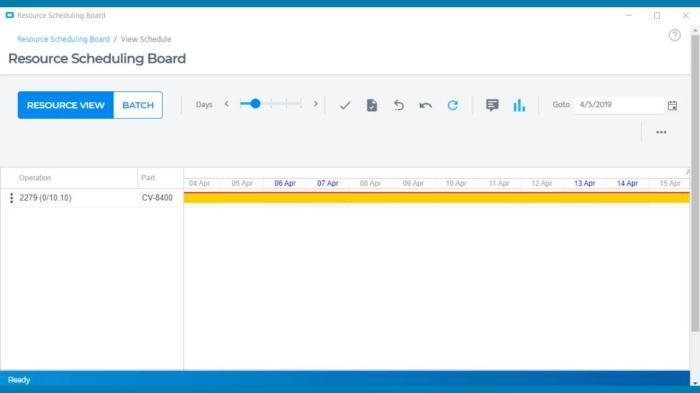
Implementing Epicor Scheduling in a manufacturing environment involves several key steps to ensure successful integration and utilization of the software. It is essential to follow best practices and optimize scheduling processes for efficient production management.
Setting Up and Configuring Epicor Scheduling
- Define scheduling parameters: Establish the rules and criteria for scheduling tasks based on production requirements, resource availability, and lead times.
- Integrate with ERP system: Ensure seamless connectivity between Epicor Scheduling and other enterprise systems to access real-time data and updates.
- Create scheduling templates: Develop standardized templates for different types of production schedules to streamline the scheduling process.
- Train users: Provide comprehensive training to employees on how to use Epicor Scheduling effectively and maximize its capabilities.
Optimizing Scheduling Processes with Epicor
- Utilize predictive analytics: Leverage data analytics capabilities in Epicor Scheduling to forecast demand, optimize resource allocation, and minimize production bottlenecks.
- Automate scheduling tasks: Implement automation features to reduce manual intervention, improve accuracy, and enhance scheduling efficiency.
- Monitor and analyze performance: Regularly track key performance indicators (KPIs) related to scheduling processes to identify areas for improvement and implement corrective actions.
- Collaborate across departments: Encourage cross-functional collaboration between departments involved in the production process to ensure alignment and coordination in scheduling activities.
Integration with Other Systems
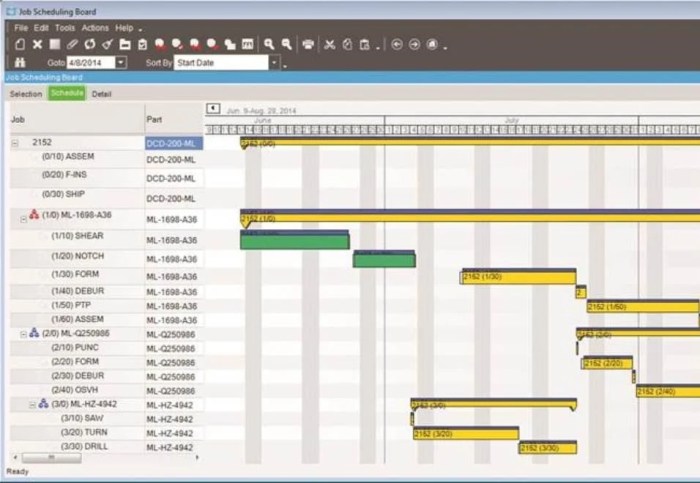
Integrating Epicor Scheduling with other systems like ERP or CRM platforms can significantly enhance the overall efficiency of a business operation. By connecting these systems, companies can streamline processes, improve communication, and optimize resource allocation.
Advantages of Integration
- Real-time Data Sync: Integration ensures that all systems have access to the most up-to-date information, eliminating data silos and reducing errors.
- Improved Decision-Making: By having a centralized view of data across different platforms, decision-makers can make more informed and timely decisions.
- Enhanced Productivity: Automation of tasks and workflows through integration can save time and reduce manual errors, leading to increased productivity.
Successful Integration Setups
- Integration with ERP: By integrating Epicor Scheduling with an ERP system, companies can align production schedules with inventory levels, ensuring optimal resource utilization.
- Integration with CRM: Connecting scheduling data with CRM platforms can help businesses better manage customer appointments, service requests, and follow-ups, leading to improved customer satisfaction.
- Impact on Business Efficiency: Companies that have successfully integrated Epicor Scheduling with other systems have reported faster order processing, reduced lead times, and improved overall operational efficiency.
Customization and Configuration
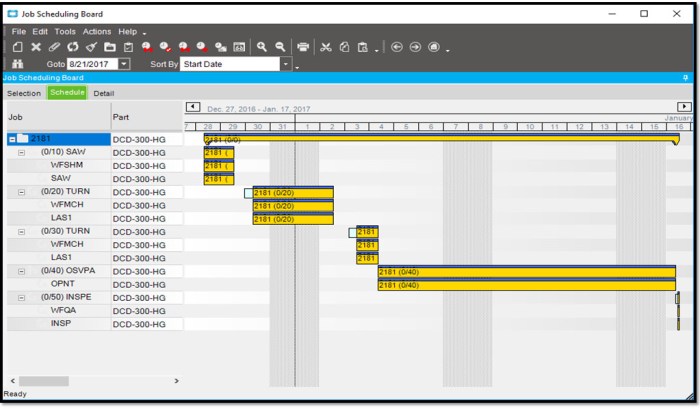
When it comes to customizing and configuring Epicor Scheduling, businesses have a range of options to tailor schedules to their specific needs and optimize performance. This flexibility allows companies to personalize the system to meet their unique requirements effectively.
Customization Options
- Customized Workflows: Epicor Scheduling allows businesses to create customized workflows that align with their unique processes and requirements. This ensures that schedules are tailored to the specific needs of the organization.
- Personalized Dashboards: Businesses can customize dashboards within Epicor Scheduling to display relevant information and key performance indicators that are important to their operations. This allows for a more focused view of scheduling activities.
- Configurable Alerts and Notifications: The system offers options to configure alerts and notifications based on specific criteria, ensuring that the right people are notified of any schedule changes or issues promptly.
Configuration Settings
- Resource Allocation: Businesses can adjust resource allocation settings within Epicor Scheduling to optimize the distribution of resources and ensure efficient use of manpower and equipment.
- Priority Rules: Configuration settings allow for the establishment of priority rules, ensuring that critical tasks are prioritized in the scheduling process to meet deadlines and customer demands effectively.
- Integration Parameters: Epicor Scheduling offers configuration options for integrating with other systems, allowing businesses to streamline processes and data flow across different platforms seamlessly.
Personalization for Unique Requirements
- Custom Fields: Epicor Scheduling enables businesses to add custom fields to capture specific data points or information that are unique to their operations, enhancing the system's ability to meet specialized requirements.
- User Permissions: Businesses can personalize user permissions and access levels within Epicor Scheduling to ensure that the right individuals have the appropriate level of control and visibility over scheduling activities.
- Reporting Templates: The system allows for the creation of personalized reporting templates that align with the specific reporting needs of the organization, providing tailored insights and analytics for informed decision-making.
Final Wrap-Up

In conclusion, Epicor Scheduling emerges as a game-changer for businesses seeking to revolutionize their scheduling processes. With a blend of customization, integration capabilities, and optimization tips, this software stands as a beacon of innovation in the manufacturing landscape.
Questions and Answers
What makes Epicor Scheduling stand out?
Epicor Scheduling offers a range of customizable options, seamless integration with other systems, and optimization features that set it apart in the market.
Can Epicor Scheduling be tailored to specific business needs?
Absolutely, businesses can customize Epicor Scheduling to align with their unique requirements, ensuring maximum efficiency and productivity.
How does Epicor Scheduling enhance overall business efficiency?
By streamlining scheduling processes, integrating with ERP or CRM platforms, and offering optimization tips, Epicor Scheduling boosts efficiency across all operational levels.