
Embark on a journey into the world of enterprise resource planning inventory management, where businesses find efficiency and cost savings through strategic integration.
Exploring the key features, implementation strategies, and benefits, this topic delves into the core of modern inventory management practices.
Introduction to Enterprise Resource Planning Inventory Management
Enterprise Resource Planning (ERP) is a software system that integrates various functions of a business, such as finance, human resources, and supply chain management, into a single unified platform. When it comes to inventory management, ERP plays a crucial role in optimizing and streamlining the processes involved in monitoring and controlling a company's inventory.Integrating ERP systems with inventory management allows businesses to have real-time visibility of their stock levels, orders, and shipments.
This integration enables seamless communication between different departments within an organization, leading to improved coordination and efficiency in managing inventory.
Importance of Integrating ERP Systems with Inventory Management
- Enhanced Accuracy: By centralizing data and automating processes, ERP systems reduce the risk of human error in inventory management.
- Improved Decision-Making: Access to real-time data and analytics helps businesses make informed decisions regarding inventory levels, purchasing, and production.
- Cost Savings: Efficient inventory management through ERP systems can lead to reduced carrying costs, stockouts, and overstock situations.
- Enhanced Customer Satisfaction: By ensuring product availability and timely deliveries, businesses can enhance customer satisfaction and loyalty.
Benefits of Using ERP Systems for Inventory Management
- Increased Efficiency: Automation of inventory tasks and processes saves time and resources for businesses.
- Better Inventory Visibility: ERP systems provide accurate and up-to-date information on inventory levels, locations, and movements.
- Optimized Supply Chain: Integration of inventory management with other functions like procurement and logistics leads to a more streamlined supply chain.
- Scalability: ERP systems can adapt to the changing needs of a business, allowing for seamless expansion or modification of inventory processes.
Key Features of ERP Inventory Management
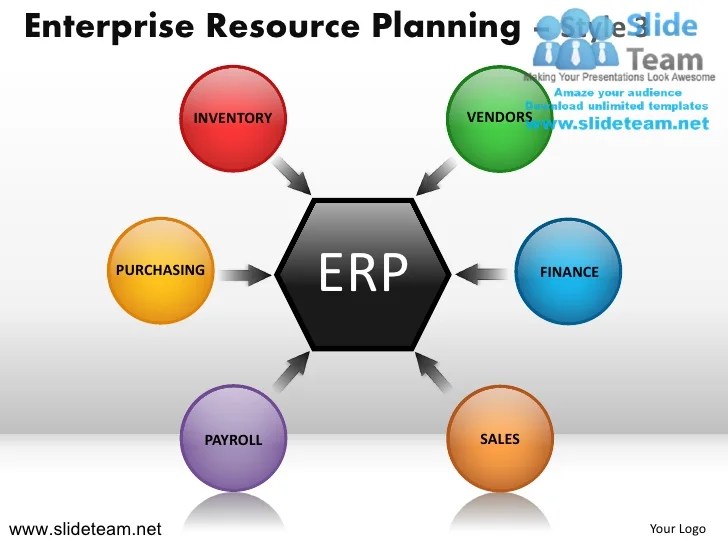
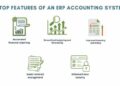
ERP systems offer various key features that are essential for effective inventory management. These features help businesses streamline their operations, improve efficiency, and reduce costs.
Real-Time Data Tracking
ERP systems enable real-time data tracking by integrating various aspects of inventory management into a centralized system. This allows businesses to monitor inventory levels, track orders, and manage supply chains in real-time. With up-to-date information readily available, companies can make informed decisions quickly and adapt to changing market conditions.
Optimizing Inventory Levels
ERP systems help in optimizing inventory levels by providing insights into demand forecasting, inventory turnover rates, and lead times. By analyzing historical data and trends, businesses can identify optimal stock levels and reorder points to prevent stockouts or overstock situations.
This proactive approach ensures that inventory is maintained at the right levels to meet customer demand while minimizing carrying costs.
Cost Reduction
One of the significant benefits of ERP systems in inventory management is cost reduction. By streamlining processes, reducing manual errors, and improving visibility across the supply chain, businesses can minimize costs associated with excess inventory, stockouts, and inefficient operations. Additionally, ERP systems help in identifying cost-saving opportunities, such as bulk purchasing discounts, vendor negotiation strategies, and inventory optimization techniques, ultimately leading to improved profitability.
Implementation of ERP Systems for Inventory Management
ERP systems play a crucial role in optimizing inventory management processes within organizations. The successful implementation of ERP systems can lead to improved efficiency, accuracy, and visibility across the supply chain.
Steps Involved in Implementing ERP Systems for Inventory Management
- 1. Planning Phase: Define project scope, objectives, and timeline for implementation.
- 2. System Selection: Choose the right ERP system that aligns with the organization's inventory management requirements.
- 3. Data Migration: Transfer existing inventory data to the new ERP system accurately.
- 4. Training: Provide comprehensive training to employees on how to use the ERP system effectively for inventory management.
- 5. Testing: Conduct thorough testing to ensure the ERP system functions correctly and meets the organization's inventory management needs.
- 6. Go-Live: Implement the ERP system for inventory management across the organization and monitor its performance.
Challenges Organizations May Face During ERP Implementation for Inventory Management
- - Resistance to change from employees accustomed to traditional inventory management methods.
- - Integration issues with existing systems and processes within the organization.
- - Data accuracy and consistency challenges during data migration to the new ERP system.
- - Budget and resource constraints that may impact the successful implementation of the ERP system.
Best Practices for Successful Integration of ERP Systems with Inventory Management Processes
- - Engage key stakeholders early in the implementation process to ensure alignment with organizational goals.
- - Customize the ERP system to meet specific inventory management requirements and processes within the organization.
- - Continuously monitor and evaluate the performance of the ERP system to identify areas for improvement.
- - Provide ongoing training and support to employees to maximize the benefits of the ERP system for inventory management.
Integration of ERP Inventory Management with Other Business Processes
ERP systems play a crucial role in streamlining inventory management by integrating with various other business processes. This seamless integration not only improves efficiency but also enhances decision-making processes related to inventory management.
Impact of Integrating ERP Inventory Management with Supply Chain Management
Integrating ERP inventory management with supply chain management enables real-time visibility into inventory levels, supplier performance, and demand forecasting. This integration helps in optimizing inventory levels, reducing stockouts, and improving overall supply chain efficiency. By aligning inventory management with supply chain processes, businesses can achieve better coordination and collaboration across the entire supply chain network.
Examples of How ERP Systems Enhance Decision-Making Processes Related to Inventory Management
- Real-time Data Tracking: ERP systems provide real-time data on inventory levels, demand patterns, and supplier performance, allowing businesses to make informed decisions regarding inventory replenishment and procurement.
- Forecasting Accuracy: By analyzing historical data and trends, ERP systems enable accurate demand forecasting, helping businesses optimize inventory levels and reduce carrying costs.
- Automated Reorder Points: ERP systems can automatically trigger reorder points based on predefined thresholds, ensuring optimal inventory levels without manual intervention.
Closing Summary
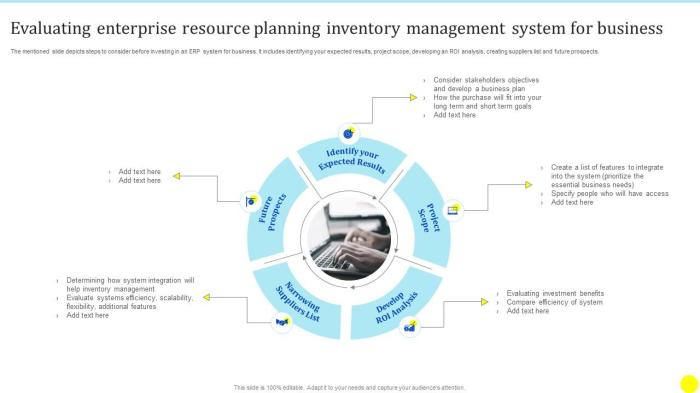
In conclusion, the synergy between ERP systems and inventory management is crucial for businesses aiming to stay competitive and agile in today's market landscape.
FAQ Summary
How can ERP systems benefit inventory management?
ERP systems streamline processes, provide real-time data, and help in optimizing inventory levels.
What challenges might organizations face during ERP implementation for inventory management?
Challenges include system integration issues, data migration complexities, and resistance to change.
How do ERP systems enhance decision-making processes related to inventory management?
ERP systems offer insights through data analytics, forecasting tools, and improved visibility into inventory operations.