
Embark on a journey into the realm of enterprise resources, where the backbone of successful businesses is built upon effective management and strategic utilization. This guide delves deep into the various facets of enterprise resources, shedding light on their significance and impact on organizational success.
From understanding the different types of enterprise resources to exploring the future trends shaping resource management, this guide offers valuable insights for businesses looking to optimize their operations and stay ahead in a rapidly evolving landscape.
Definition of Enterprise Resources
Enterprise resources in the context of business operations refer to the assets, tools, and capabilities that an organization utilizes to carry out its activities and achieve its goals. These resources are essential for the functioning of the business and play a crucial role in determining its success.
Types of Enterprise Resources
- Human Resources: This includes employees, their skills, knowledge, and expertise that contribute to the overall productivity of the organization.
- Financial Resources: These are the funds, investments, and assets that the company uses to finance its operations and strategic initiatives.
- Physical Resources: This category comprises tangible assets like equipment, machinery, infrastructure, and facilities necessary for day-to-day operations.
- Technological Resources: Information technology systems, software, and hardware that enable efficient communication, data management, and automation of processes.
Importance of Managing Enterprise Resources
Effective management of enterprise resources is critical for organizational success as it ensures optimal utilization of resources, cost-efficiency, and enhanced productivity. By strategically allocating and leveraging these resources, businesses can streamline operations, improve decision-making, and gain a competitive edge in the market.
Types of Enterprise Resources
In every enterprise, various types of resources play a crucial role in ensuring smooth operations and achieving organizational goals. These resources can be broadly categorized into physical, human, and technological resources.
Physical Resources
Physical resources refer to tangible assets that a company uses to produce goods or services. These resources include land, buildings, equipment, machinery, raw materials, and other physical assets necessary for the production process. Physical resources are essential for the day-to-day operations of a business and are often a significant investment for the enterprise.
- Land and Buildings: Provide the physical space for operations and offices.
- Equipment and Machinery: Tools used in the production process.
- Raw Materials: Essential components for manufacturing products.
Human Resources
Human resources are the people who work for the enterprise, including employees, managers, and executives. Unlike physical resources, human resources bring skills, knowledge, and expertise to the table. They are essential for driving innovation, problem-solving, and decision-making within the organization.
- Employees: Frontline workers involved in day-to-day operations.
- Managers: Responsible for overseeing teams and ensuring goals are met.
- Executives: Top-level leaders who make strategic decisions for the enterprise.
Technological Resources
Technological resources encompass the tools, software, and systems that organizations use to streamline processes, enhance productivity, and gain a competitive edge in the market. In the digital age, technological resources have become increasingly important for businesses to stay relevant and efficient.
- Software Applications: Programs designed to automate tasks and improve efficiency.
- Hardware: Physical devices like computers, servers, and networking equipment.
- Data Analytics Tools: Platforms that help organizations analyze and interpret data for informed decision-making.
Importance of Enterprise Resource Planning (ERP)
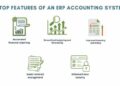
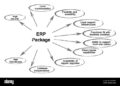
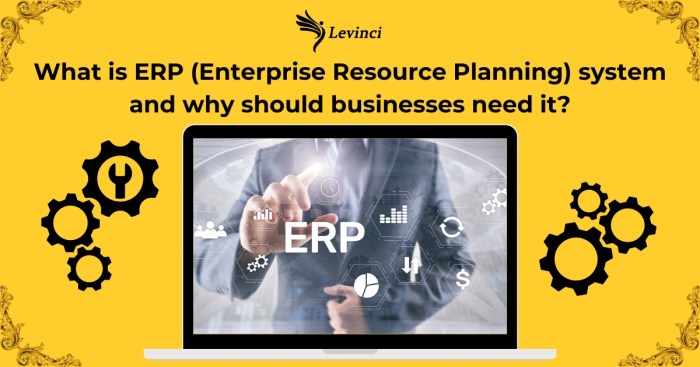
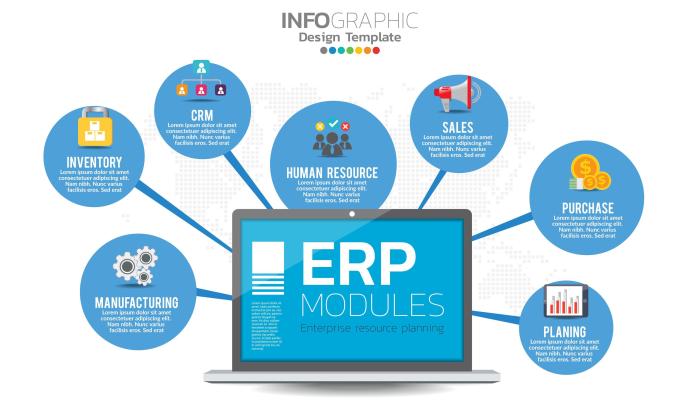
Enterprise Resource Planning (ERP) is a software system that integrates various functions of an organization into a single platform, allowing for the efficient management of resources and information across departments.
Benefits of Implementing ERP Systems
Implementing ERP systems in an organization offers several benefits:
- Improved Efficiency: ERP systems streamline processes and eliminate redundant tasks, leading to increased productivity.
- Enhanced Visibility: By providing real-time data and analytics, ERP systems offer better insight into operations, enabling informed decision-making.
- Cost Savings: Through automation and optimization of processes, ERP systems help reduce operational costs and improve overall financial performance.
- Standardization: ERP systems establish standardized processes and data formats, ensuring consistency and accuracy in operations.
Challenges of ERP Implementation
While the benefits of ERP systems are significant, organizations may face challenges during the implementation process:
- Cost: ERP implementation can be expensive, requiring investment in software, training, and infrastructure.
- Resistance to Change: Employees may resist adopting new processes and technologies, affecting the successful implementation of ERP systems.
- Data Migration: Transferring data from legacy systems to the new ERP system can be complex and time-consuming, leading to potential data errors.
- Customization: Tailoring ERP systems to meet specific organizational needs may require additional time and resources, delaying the implementation timeline.
Strategies for Optimizing Enterprise Resources
Optimizing enterprise resources is crucial for maximizing efficiency and productivity within an organization. By strategically allocating resources, businesses can streamline operations and achieve better results. One key approach to optimizing enterprise resources is through data analytics, which plays a significant role in enhancing resource utilization and decision-making processes.
Role of Data Analytics in Enhancing Resource Utilization
Data analytics involves collecting, analyzing, and interpreting data to gain valuable insights that can drive informed decision-making. In the context of enterprise resource optimization, data analytics can help businesses identify patterns, trends, and inefficiencies in resource allocation. By leveraging data-driven insights, organizations can make proactive adjustments to resource allocation strategies, ensuring optimal utilization and effectiveness.
Examples of Companies That Have Successfully Optimized Their Enterprise Resources
- Amazon: The e-commerce giant utilizes advanced data analytics to optimize its supply chain management, inventory control, and customer service operations. By analyzing vast amounts of data in real-time, Amazon can make timely decisions to allocate resources efficiently and meet customer demands.
- Google: Google employs sophisticated data analytics tools to enhance its advertising revenue streams, search engine algorithms, and cloud computing services. By harnessing the power of data analytics, Google can optimize resource allocation across various business units and drive innovation.
- Walmart: Walmart leverages data analytics to optimize its store operations, inventory management, and pricing strategies. Through data-driven insights, Walmart can allocate resources effectively to minimize costs, maximize profits, and enhance customer satisfaction.
Future Trends in Enterprise Resource Management
The future of Enterprise Resource Management is heavily influenced by emerging technologies that are shaping the way businesses allocate and utilize resources. Automation and artificial intelligence are playing a key role in transforming resource management processes, leading to more efficient and effective operations.
Let's explore the potential advancements in Enterprise Resource Management practices that we can expect in the coming years.
Emerging Technologies in Resource Management
- Blockchain Technology: Blockchain has the potential to revolutionize how enterprises manage their resources by providing a secure and transparent platform for transactions and data management.
- Internet of Things (IoT): IoT devices can collect real-time data on resource usage, enabling businesses to optimize their operations and reduce waste.
- Machine Learning and Predictive Analytics: These technologies can help businesses forecast resource needs more accurately, leading to better planning and allocation.
Automation and AI in Resource Allocation
- Automated Resource Allocation: AI-driven algorithms can analyze data and make decisions on resource allocation in real-time, improving efficiency and reducing human error.
- Cognitive Automation: AI can automate repetitive tasks, freeing up employees to focus on more strategic initiatives and creative problem-solving.
- Robotic Process Automation (RPA): RPA can streamline resource management processes by automating manual tasks, increasing productivity and accuracy.
Future Advancements in Resource Management
- Personalized Resource Planning: AI can provide personalized recommendations for resource allocation based on individual needs and preferences, enhancing user experience and efficiency.
- Integration of Virtual Reality (VR) and Augmented Reality (AR): VR and AR technologies can provide immersive experiences for resource planning and visualization, improving decision-making processes.
- Data-driven Decision Making: With the increasing availability of data analytics tools, businesses can make more informed decisions about resource allocation, leading to better outcomes and cost savings.
Ultimate Conclusion
In conclusion, mastering the art of managing enterprise resources is key to achieving sustainable growth and competitive advantage in today's business environment. By implementing the right strategies and staying abreast of emerging trends, organizations can unlock the full potential of their resources and pave the way for future success.
Q&A
What are enterprise resources?
Enterprise resources encompass all the assets and capabilities that an organization utilizes to carry out its operations effectively, including physical, human, and technological resources.
Why is managing enterprise resources important?
Effectively managing enterprise resources is crucial for organizational success as it ensures optimal utilization of resources, enhances efficiency, and drives productivity.
What is Enterprise Resource Planning (ERP)?
ERP is a software system that integrates various functions of an organization, such as finance, HR, and supply chain management, to streamline processes and enhance resource management.
How can companies optimize their enterprise resources?
Companies can optimize their enterprise resources by implementing efficient allocation strategies, leveraging data analytics for informed decision-making, and learning from successful examples in the industry.
What are the future trends in enterprise resource management?
The future of enterprise resource management is shaped by emerging technologies like automation and artificial intelligence, which are revolutionizing resource allocation processes and driving advancements in management practices.