
Embark on a journey through the world of Intact ERP, a robust system designed to revolutionize business operations and streamline efficiency. As we delve deeper into its features and implementation, you'll discover the transformative impact it can have on your company's success.
Introduction to Intact ERP
Intact ERP is a comprehensive Enterprise Resource Planning software that helps businesses manage and integrate key operations such as finance, human resources, supply chain, and more. It provides a centralized platform for data management and analysis, streamlining processes and improving overall efficiency.
Implementing Intact ERP brings numerous benefits to businesses, including increased productivity, better decision-making based on real-time data, cost savings through optimized processes, enhanced collaboration among departments, and improved customer satisfaction. By automating routine tasks and providing insights into various aspects of the business, Intact ERP empowers organizations to stay competitive in today's dynamic market.
Importance of Intact ERP in Business Operations
- Integrates all departments: Intact ERP allows seamless communication and data sharing among different departments, breaking down silos and promoting collaboration.
- Real-time insights: With Intact ERP, businesses can access up-to-date information and analytics, enabling informed decision-making and proactive responses to market changes.
- Enhanced efficiency: By automating repetitive tasks and standardizing processes, Intact ERP helps businesses operate more efficiently and reduce manual errors.
- Scalability and flexibility: As businesses grow, Intact ERP can easily scale to accommodate increased operations and adapt to changing business needs without significant disruptions.
Key Features of Intact ERP
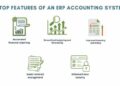
Intact ERP offers a range of key features that are designed to streamline business operations and enhance overall efficiency. Let's explore some of the main features of Intact ERP and how they compare to other ERP systems in the market.
Customizable Dashboards
Intact ERP provides customizable dashboards that allow users to tailor their interface based on their specific needs. This feature enables users to access relevant information quickly and efficiently, improving decision-making processes.
Integrated Modules
Intact ERP offers a comprehensive suite of integrated modules, including accounting, inventory management, sales, and HR. This integration ensures seamless data flow across different departments, eliminating the need for manual data entry and reducing errors.
Real-time Reporting
One of the standout features of Intact ERP is its real-time reporting capabilities. Users can generate custom reports on-demand, giving them instant access to critical business insights. This feature sets Intact ERP apart from other systems that may have delayed or static reporting functionalities.
Mobile Accessibility
Intact ERP is designed to be mobile-friendly, allowing users to access the system from anywhere at any time. The mobile accessibility feature enables remote work capabilities and enhances collaboration among team members, ultimately improving overall productivity.
Scalability and Flexibility
Intact ERP is highly scalable, making it suitable for businesses of all sizes. Whether you're a small startup or a large enterprise, Intact ERP can adapt to your needs and grow with your business. This scalability and flexibility distinguish Intact ERP from other systems that may have limitations in terms of expansion.Overall, the key features of Intact ERP, such as customizable dashboards, integrated modules, real-time reporting, mobile accessibility, and scalability, contribute to streamlining business processes, improving decision-making, and enhancing overall efficiency.
Implementation of Intact ERP
Implementing Intact ERP in a company requires careful planning and execution to ensure a successful integration of the system. Below is a step-by-step guide on how to implement Intact ERP effectively.
Step-by-Step Guide for Implementing Intact ERP:
- 1. Planning Phase:
- Define goals and objectives of the ERP implementation.
- Identify key stakeholders and form an implementation team.
- Conduct a thorough assessment of current business processes and systems.
-
2. System Selection
- Evaluate different ERP systems and choose Intact ERP based on business requirements.
- Ensure compatibility with existing systems and scalability for future growth.
-
3. Configuration and Customization
- Customize Intact ERP to align with company-specific processes and workflows.
- Configure the system settings and parameters according to business needs.
-
4. Training and Testing
- Provide comprehensive training to employees on how to use Intact ERP effectively.
- Conduct thorough testing to identify and resolve any issues or discrepancies.
-
5. Go-Live and Support
- Implement Intact ERP in a phased approach to minimize disruption to daily operations.
- Offer ongoing support and maintenance to address any post-implementation issues.
Best Practices for a Successful Intact ERP Implementation:
- Engage key stakeholders throughout the implementation process.
- Set realistic timelines and milestones to track progress effectively.
- Communicate consistently with employees to ensure buy-in and collaboration.
- Regularly monitor and evaluate the performance of Intact ERP post-implementation.
Common Challenges and How to Overcome Them:
- Resistance to Change:
- Address employee concerns through effective communication and training.
- Highlight the benefits and advantages of Intact ERP to encourage adoption.
- Data Migration Issues:
- Ensure data accuracy and integrity through thorough data cleansing and validation.
- Utilize data migration tools and resources to streamline the process.
- Lack of Executive Sponsorship:
- Secure executive support and involvement to drive the ERP implementation forward.
- Engage executives in decision-making and problem-solving to overcome challenges effectively.
Integration with Other Systems

Integrating Intact ERP with other existing systems is a crucial step towards enhancing efficiency and productivity in business operations. By seamlessly connecting different software applications, companies can streamline processes, eliminate duplicate data entry, and improve overall decision-making.
Benefits of Integrating Intact ERP with CRM
- Improved Customer Insights: By integrating Intact ERP with CRM, businesses gain a holistic view of their customers, including sales history, preferences, and interactions.
- Enhanced Communication: The integration allows for real-time data sharing between sales, marketing, and customer service teams, leading to better coordination and customer engagement.
- Efficient Order Management: With synchronized data between ERP and CRM systems, order processing becomes faster and more accurate, reducing errors and delays.
Benefits of Integrating Intact ERP with HR Software
- Streamlined Employee Management: Integration with HR software enables seamless handling of employee information, payroll, benefits, and performance evaluations.
- Enhanced Decision-making: Access to consolidated data on workforce productivity and costs helps management make informed decisions regarding staffing and resource allocation.
- Regulatory Compliance: Integrated HR systems ensure compliance with labor laws and regulations, minimizing risks associated with non-compliance.
Successful Integrations and Impact on Business Operations
Many companies have successfully integrated Intact ERP with various software applications, resulting in tangible benefits such as:
- Increased Efficiency: Automation of processes and data synchronization leads to reduced manual work and improved operational efficiency.
- Enhanced Reporting and Analytics: Integrated systems provide comprehensive data for in-depth analysis and reporting, enabling better strategic decision-making.
- Cost Savings: By eliminating redundant tasks and improving data accuracy, businesses can achieve cost savings in the long run.
Final Summary
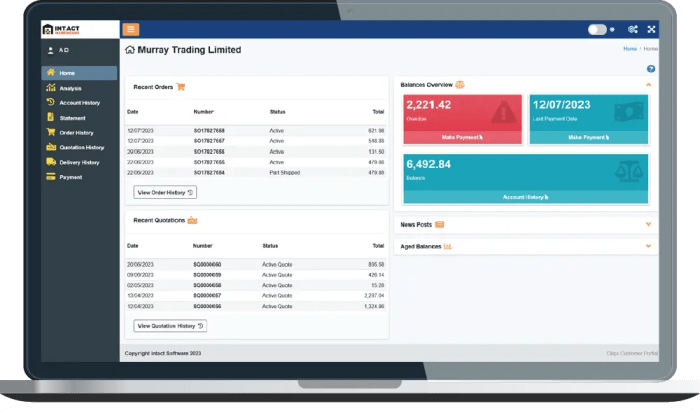
In conclusion, Intact ERP stands as a cornerstone for modern businesses seeking to optimize their processes and drive growth. With its seamless integration capabilities and user-friendly interface, the future looks promising for those embracing this innovative solution.
FAQs
How does Intact ERP differ from other ERP systems?
Intact ERP offers a unique blend of features tailored to enhance business operations, setting it apart from its competitors.
What are the primary benefits of using Intact ERP?
Intact ERP streamlines processes, improves decision-making, and boosts overall efficiency, leading to increased productivity and profitability.
What are some common challenges during Intact ERP implementation?
Issues like data migration, training employees, and resistance to change can pose hurdles during the implementation process, but proper planning and support can help overcome them.