
Embark on a journey into the world of Sage100, a robust software solution designed to streamline business operations and drive efficiency. From its versatile features to real-world applications, this introduction sets the stage for an enlightening exploration of Sage100 in a business context.
Dive deeper into the intricacies of Sage100 to uncover how this innovative tool can revolutionize the way businesses operate and thrive in today's competitive landscape.
Overview of Sage100
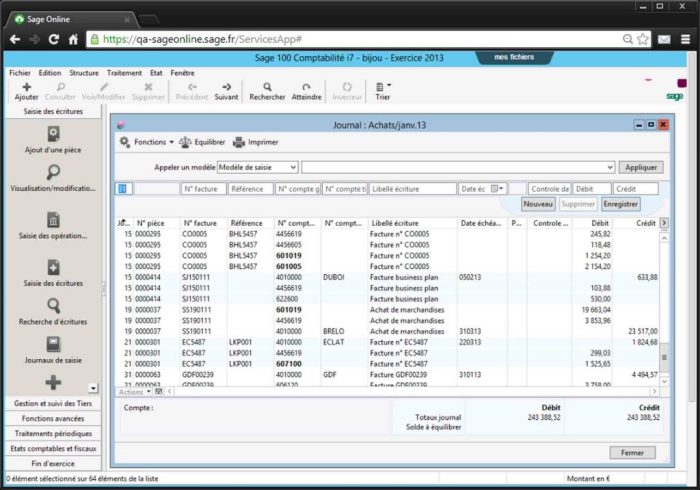
Sage100 is a comprehensive business management solution that offers a wide range of features to help companies streamline their operations and improve efficiency. It provides tools for accounting, inventory management, sales, purchasing, and more.
Industries that commonly use Sage100
- Manufacturing companies
- Distribution companies
- Retail businesses
- Service-based industries
Benefits of implementing Sage100
- Increased efficiency in financial management
- Improved inventory control and tracking
- Enhanced sales and customer management
- Streamlined purchasing processes
- Real-time access to business data for informed decision-making
Modules available in Sage100
| Module | Description |
|---|---|
| General Ledger | Handles all financial transactions and generates financial reports |
| Accounts Payable | Manages and tracks all outgoing payments to vendors |
| Accounts Receivable | Tracks and manages all incoming payments from customers |
| Inventory Management | Controls and tracks inventory levels and purchases |
| Sales Order Processing | Manages sales orders and tracks customer sales |
Installation and Setup
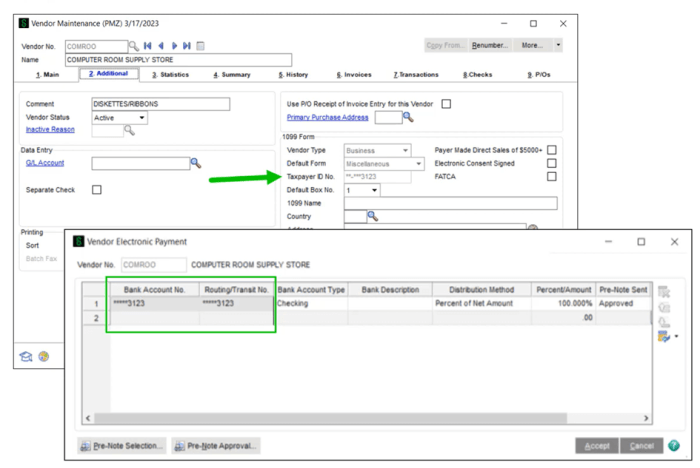
Setting up Sage100 is a crucial step to ensure smooth operations within a business. Proper installation and configuration are key to maximizing the benefits of this software.
Installing Sage100
Installing Sage100 involves the following steps:
- Ensure that your system meets the minimum requirements for Sage100.
- Download the installation package from the official Sage website.
- Run the setup executable file and follow the on-screen instructions.
- Enter the necessary information, such as company details and license key, when prompted.
- Complete the installation process and restart your system if required.
Setting up Sage100 for First-Time Users
For first-time users, follow these steps to set up Sage100:
- Launch the software and create user accounts with appropriate permissions.
- Configure company settings, including financial year start date, currency, and tax information.
- Set up chart of accounts, vendors, customers, and inventory items as per business requirements.
- Customize reports and dashboards to display relevant data for decision-making.
Configuring Sage100 to Meet Specific Business Needs
To configure Sage100 according to specific business needs, consider the following tips:
- Customize forms and fields to capture relevant information unique to your business processes.
- Integrate third-party applications for seamless data flow and automation.
- Create user-defined fields and tables to accommodate additional data requirements.
- Utilize workflow automation to streamline approval processes and increase efficiency.
Maintaining and Updating Sage100
Best practices for maintaining and updating Sage100 include:
- Regularly back up your data to prevent loss in case of system failures.
- Stay up to date with software updates and patches released by Sage to ensure optimal performance and security.
- Train employees on new features and functionalities to maximize productivity and usage of Sage100.
- Perform routine system checks to identify and resolve any issues before they impact business operations.
Customization and Integration
Customization and integration are key aspects of optimizing Sage100 to meet the specific needs of different businesses. By tailoring the software to fit unique requirements and seamlessly integrating it with other applications, organizations can enhance efficiency and productivity.
Customization of Sage100
Customizing Sage100 involves configuring the software to align with specific business processes and workflows. This can include setting up custom fields, creating personalized reports, and adjusting user permissions to match individual roles within the organization. By tailoring Sage100 to meet the exact needs of a business, users can streamline operations and access relevant data more efficiently.
Integration Capabilities
Sage100 offers robust integration capabilities, allowing it to connect with a wide range of third-party applications. This seamless integration enables data sharing between systems, eliminating manual data entry and reducing the risk of errors. Common integrations include connecting Sage100 with e-commerce platforms, CRM systems, and payroll software to create a unified business ecosystem.
Examples of Third-Party Integrations
- Integrating Sage100 with Magento for seamless order processing and inventory management.
- Connecting Sage100 with Salesforce to synchronize customer data and sales information.
- Integrating Sage100 with ADP for automated payroll processing and employee management.
Benefits of Customization and Integration
Improved Efficiency
Customizing Sage100 ensures that the software aligns with specific business requirements, streamlining processes and increasing productivity.
Enhanced Data Accuracy
Integration with other software applications reduces the need for manual data entry, minimizing errors and ensuring data consistency.
Better Decision-Making
By customizing reports and integrating data from various sources, businesses can access real-time insights and make informed decisions quickly.
Reporting and Analytics
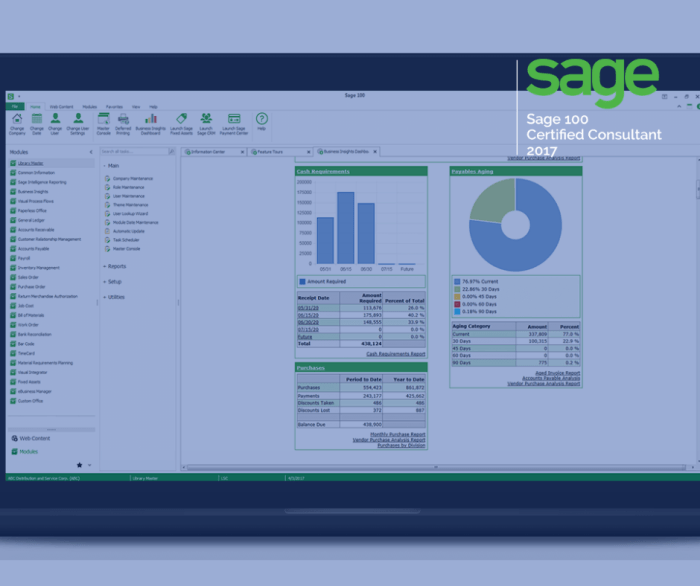
Reporting and analytics are essential components of any business management software to track performance, identify trends, and make informed decisions. In Sage100, users have access to robust reporting features and analytics tools to gain valuable insights into their business operations.
Reporting Features in Sage100
- Sage100 offers a variety of standard reports covering financials, inventory, sales, purchasing, and more.
- Users can customize existing reports or create new ones using the Report Designer tool.
- Reports can be scheduled to run automatically at specific intervals, ensuring timely access to critical data.
- Drill-down capabilities allow users to delve deeper into the data behind the reports for more detailed analysis.
Generating Custom Reports
- To create custom reports in Sage100, users can utilize the Report Designer tool to design layouts, add fields, and apply filters.
- Users can access a wide range of data sources to pull information for their custom reports, enabling comprehensive analysis.
- Once the custom report is created, users can save and share it with colleagues for collaborative decision-making.
Analytics Tools in Sage100
- Sage100 provides analytics tools that offer graphical representations of data through charts, graphs, and dashboards.
- Users can visualize key performance indicators (KPIs) to monitor business performance and identify areas for improvement.
- The analytics tools in Sage100 enable users to track trends, forecast future performance, and make data-driven decisions.
Utilizing Reporting and Analytics for Business Decisions
- Regularly reviewing reports and analytics helps businesses identify inefficiencies, optimize processes, and enhance overall performance.
- By analyzing data trends and patterns, businesses can forecast demand, adjust pricing strategies, and make strategic decisions to stay competitive.
- Utilizing reporting and analytics in Sage100 empowers businesses to make informed decisions that drive growth and success.
Closure

In conclusion, Sage100 stands as a game-changer for businesses seeking to optimize their processes and enhance productivity. With its customizable options, powerful reporting capabilities, and seamless integration features, Sage100 offers a comprehensive solution for businesses aiming to stay ahead of the curve in a dynamic market environment.
Question Bank
What industries commonly use Sage100?
Sage100 is commonly utilized in industries such as manufacturing, distribution, retail, and services where robust inventory management and financial tracking are essential.
How can Sage100 be customized to fit specific business needs?
Sage100 offers customizable modules and settings that can be tailored to specific business requirements, allowing businesses to adapt the software to their unique workflows and processes.
What are the benefits of integrating Sage100 with other software applications?
Integrating Sage100 with other software applications enhances data flow, streamlines processes, and provides a more holistic view of business operations, leading to improved efficiency and decision-making.
How can businesses utilize reporting and analytics in Sage100?
Businesses can leverage the reporting features in Sage100 to generate custom reports, gain valuable insights through analytics tools, and make data-driven decisions to drive growth and success.