
As ecommerce erp takes center stage, this opening passage beckons readers into a world crafted with good knowledge, ensuring a reading experience that is both absorbing and distinctly original.
Ecommerce ERP, a powerful tool that combines the best of both worlds - ecommerce and ERP systems, offers a seamless integration that revolutionizes business operations.
Overview of Ecommerce ERP
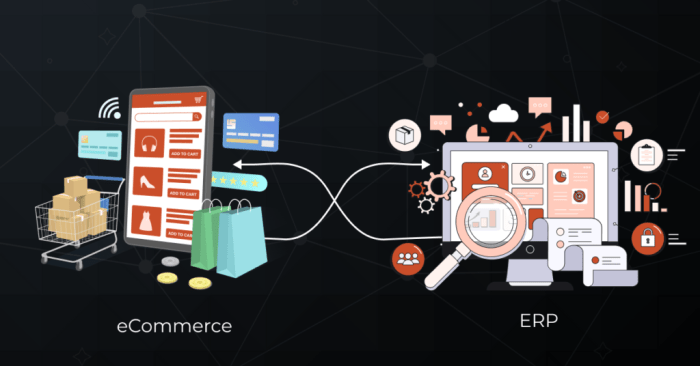
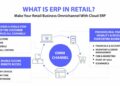
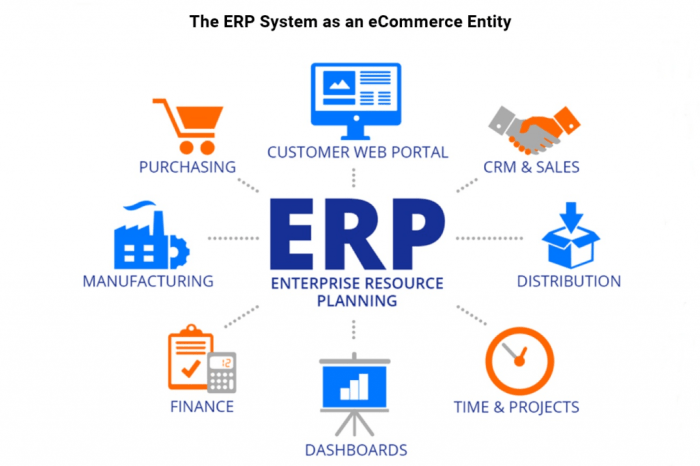
Ecommerce ERP refers to the integration of Enterprise Resource Planning (ERP) systems with Ecommerce platforms to streamline business operations and enhance efficiency. By combining these two systems, companies can manage their entire business processes, from inventory and order management to customer relations and financial tracking, in a centralized and cohesive manner.
Popular Ecommerce ERP Systems
- Oracle NetSuite: A cloud-based ERP system that offers robust Ecommerce capabilities for businesses of all sizes.
- SAP Business One: Known for its comprehensive ERP features, SAP Business One also provides Ecommerce integration options.
- Microsoft Dynamics 365: Offers a range of Ecommerce solutions that can be seamlessly integrated with ERP functions.
Benefits of Integrating ERP with Ecommerce Platforms
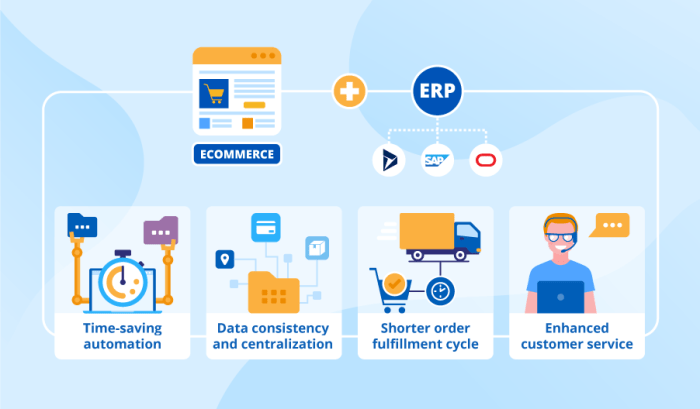
- Efficient Order Management: By integrating ERP with Ecommerce platforms, companies can automate order processing, inventory updates, and shipment tracking.
- Improved Customer Experience: With real-time data synchronization between ERP and Ecommerce systems, businesses can provide accurate product information, pricing, and availability to customers.
- Enhanced Data Visibility: Integration allows for a unified view of business operations, enabling better decision-making based on comprehensive insights.
- Scalability and Growth: Ecommerce ERP systems can adapt to the changing needs of a growing business, supporting expansion and diversification.
Features of Ecommerce ERP
In the world of Ecommerce, having a robust ERP system in place is essential to effectively manage all aspects of your online business. Let's dive into some key features of Ecommerce ERP systems and how they compare to generic ERP solutions.
Ecommerce-specific Features
- Integrated Online Store Management: Ecommerce ERP systems come equipped with tools to manage your online store, including product listings, pricing, promotions, and customer accounts.
- Real-Time Inventory Tracking: These systems provide real-time updates on inventory levels, helping you avoid stockouts and streamline order fulfillment.
- Order Processing Automation: Ecommerce ERP automates the order processing workflow, from order placement to shipment, reducing manual errors and improving efficiency.
- Customer Data Management: Ecommerce ERP centralizes customer data, allowing you to track customer behavior, preferences, and purchase history for targeted marketing campaigns.
Comparison with Generic ERP Systems
- Ecommerce-specific ERP solutions offer specialized features tailored to the unique needs of online businesses, such as online store management and integration with popular Ecommerce platforms.
- Generic ERP systems may lack the specific tools required for online retail, like real-time inventory tracking and order processing automation, making them less efficient for Ecommerce operations.
- Ecommerce ERP systems are designed to handle the complexities of online sales, including multiple sales channels, payment gateways, and shipping options, which generic ERP systems may not fully support.
Streamlining Processes
Ecommerce ERP streamlines processes like inventory management, order processing, and customer data by providing a centralized platform for all Ecommerce operations. By automating repetitive tasks and integrating various systems, Ecommerce ERP helps businesses improve efficiency, reduce errors, and enhance customer satisfaction.
Implementation of Ecommerce ERP
Implementing an Ecommerce ERP system involves several key steps to ensure a successful integration of the platform into your business operations.
Steps Involved in Implementing an Ecommerce ERP System
- Assessment of Business Needs: Identify specific requirements and objectives that the Ecommerce ERP system needs to fulfill.
- Selection of the Right ERP Solution: Research and choose an ERP system that aligns with your business goals and can handle your Ecommerce operations effectively.
- Planning and Preparation: Develop a detailed implementation plan, allocate resources, and prepare the infrastructure for the integration.
- Data Migration: Transfer existing data from legacy systems to the new Ecommerce ERP platform without loss or corruption.
- Training and Testing: Train employees on how to use the new system and conduct thorough testing to ensure functionality and performance.
- Go-Live and Support: Launch the Ecommerce ERP system, provide ongoing support, and monitor its performance for any necessary adjustments.
Common Challenges Faced During Ecommerce ERP Implementation
- Lack of Proper Planning: Inadequate preparation and planning can lead to delays, budget overruns, and ineffective implementation.
- Resistance to Change: Employee resistance to adopting new processes and technologies can hinder the successful implementation of Ecommerce ERP.
- Data Integration Issues: Managing and integrating data from multiple sources can be complex and challenging during the implementation process.
- Customization and Configuration: Balancing the need for customization with the standard features of the ERP system can pose challenges for implementation.
Best Practices for a Successful Ecommerce ERP Integration
- Engage Stakeholders: Involve key stakeholders from various departments in the planning and implementation process to ensure alignment with business goals.
- Clear Communication: Maintain open communication channels with employees, vendors, and implementation teams to address issues and concerns promptly.
- Change Management: Implement a change management strategy to help employees adapt to new processes and technologies effectively.
- Regular Training and Support: Provide continuous training and support to employees to maximize the benefits of the Ecommerce ERP system and improve adoption rates.
Integration with Ecommerce Platforms
Seamless integration between Ecommerce platforms and ERP systems is crucial for optimizing business operations and enhancing decision-making processes.
Importance of Integration
- Efficient data flow: Integrating Ecommerce platforms with ERP systems ensures a smooth flow of data between sales, inventory, and financial systems, eliminating manual data entry and reducing errors.
- Real-time insights: By integrating data from Ecommerce platforms with ERP systems, businesses can access real-time insights into customer behavior, sales trends, and inventory levels, enabling them to make informed decisions quickly.
- Enhanced customer experience: Integrated data allows businesses to provide a seamless shopping experience to customers by ensuring accurate product availability, pricing, and order tracking.
Ecommerce Platforms and ERP Solutions
- Shopify: Shopify offers robust integration capabilities with various ERP solutions, allowing businesses to streamline their operations and manage their online store more efficiently.
- Magento: Magento is known for its flexibility and scalability, making it a popular choice for businesses looking to integrate their Ecommerce platform with ERP systems for improved data management.
- WooCommerce: WooCommerce, as a plugin for WordPress, can be seamlessly integrated with ERP systems to automate order processing, inventory management, and financial reporting.
Impact on Decision-making and Operations
- Improved efficiency: Integrated data provides businesses with a comprehensive view of their operations, enabling them to identify bottlenecks, optimize processes, and improve overall efficiency.
- Strategic planning: By analyzing integrated data from Ecommerce platforms and ERP systems, businesses can make data-driven decisions, forecast demand accurately, and align their strategies with market trends.
- Cost savings: Integration between Ecommerce platforms and ERP systems can lead to cost savings by reducing manual errors, streamlining processes, and improving inventory management.
Customization and Scalability
When it comes to Ecommerce ERP systems, customization and scalability are crucial factors to consider in order to meet the specific needs of a business and ensure growth and adaptability over time.
Customization Options
- Customizing workflows and processes to align with unique business requirements.
- Adding or modifying features to enhance functionality and improve efficiency.
- Integrating with third-party applications or tools to extend capabilities.
Scalability Considerations
- Ensuring the Ecommerce ERP system can handle increased data volume and user load as the business grows.
- Adapting to changing business needs and expanding operations without major disruptions.
- Choosing a solution that offers flexible pricing and modules to scale up or down based on demand.
Final Thoughts
In conclusion, Ecommerce ERP emerges as a game-changer in the modern business landscape, offering unparalleled efficiency and streamlined processes for businesses looking to thrive in the digital realm.
FAQ Guide
What is Ecommerce ERP?
Ecommerce ERP is a system that integrates ecommerce functionalities with ERP features to streamline business processes.
How does Ecommerce ERP benefit businesses?
Ecommerce ERP enhances efficiency by automating tasks like inventory management, order processing, and customer data management.
What are common challenges during Ecommerce ERP implementation?
Common challenges include data migration issues, staff training, and ensuring compatibility with existing systems.
Can Ecommerce ERP systems be customized?
Yes, Ecommerce ERP systems can be customized to meet specific business needs and requirements.
How does integrated data impact decision-making?
Integrated data provides businesses with real-time insights and analytics, enabling informed decision-making for better business operations.