
Delve into the world of top ERP systems as we uncover the essential components that drive businesses forward, offering a glimpse into the dynamic landscape of enterprise resource planning.
Discover the key features, implementation processes, customization options, and industry-specific solutions that empower organizations to streamline operations and enhance efficiency.
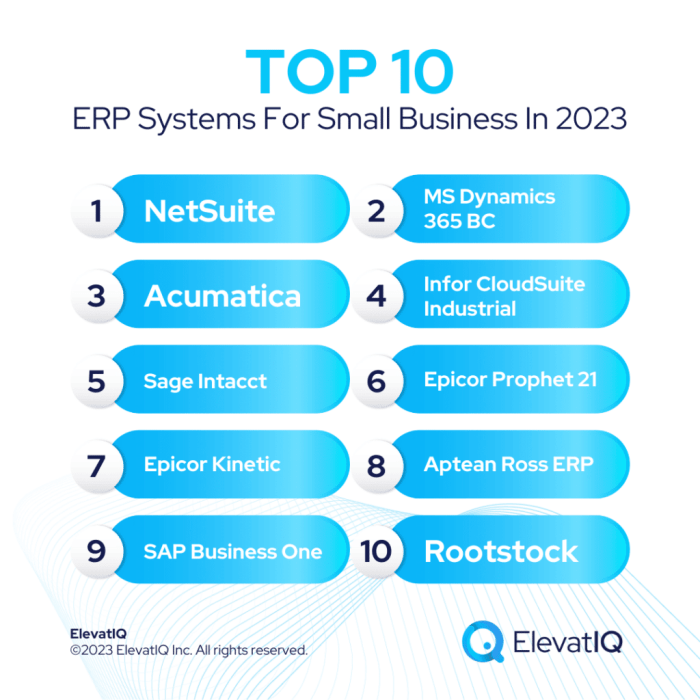
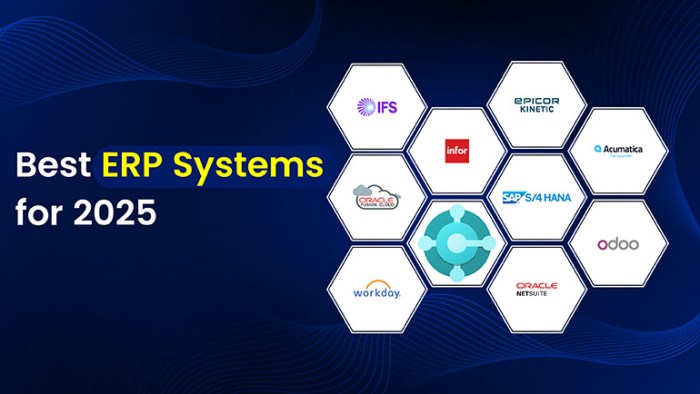
Overview of Top ERP Systems
ERP (Enterprise Resource Planning) systems play a crucial role in helping businesses streamline their operations, improve efficiency, and make informed decisions. Here are some of the top ERP systems in the market and the typical features they offer:
List of Top ERP Systems:
- SAP ERP
- Oracle ERP Cloud
- Microsoft Dynamics 365
- Infor ERP
- NetSuite ERP
Importance of ERP Systems for Businesses:
ERP systems integrate various business functions such as finance, HR, inventory management, and supply chain to provide a centralized platform for data management. This helps businesses improve operational efficiency, reduce costs, and enhance decision-making processes.
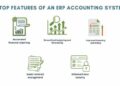
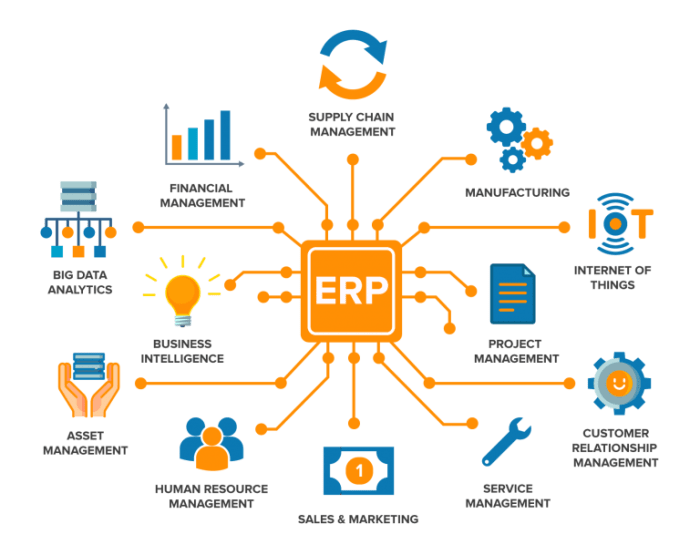
Typical Features Offered by Top ERP Systems:
- Financial Management
- Supply Chain Management
- Human Resources Management
- Customer Relationship Management (CRM)
- Business Intelligence and Analytics
Implementation Process
Implementing a top ERP system can be a complex and challenging process for organizations. It requires careful planning, coordination, and execution to ensure a successful deployment. Below are the key steps involved in implementing a top ERP system, along with common challenges and best practices for a successful deployment.
Planning and Preparation
- Define project scope, objectives, and timeline.
- Conduct a thorough analysis of current processes and system requirements.
- Allocate resources, including budget, team members, and technology infrastructure.
Vendor Selection and Customization
- Evaluate and select a reputable ERP vendor that aligns with your organization's needs.
- Customize the ERP system to fit your specific business processes and requirements.
- Develop a detailed implementation plan, including milestones and deliverables.
Training and Testing
- Provide comprehensive training to end-users on how to use the new ERP system.
- Conduct thorough testing to identify and resolve any issues or bugs before going live.
- Ensure data migration is accurate and complete to prevent any data loss or corruption.
Go-Live and Support
- Launch the ERP system in stages to minimize disruption to business operations.
- Provide ongoing support and maintenance to address any user concerns or system issues.
- Monitor system performance and gather feedback for continuous improvement.
Challenges
- Resistance to change from employees accustomed to existing processes.
- Data integration issues when migrating from legacy systems to the new ERP system.
- Budget overruns and delays due to unforeseen complications during implementation.
Best Practices
- Engage stakeholders early and involve them throughout the implementation process.
- Establish clear communication channels to keep all team members informed and aligned.
- Regularly assess and adjust the implementation plan based on feedback and performance metrics.
Customization and Integration Capabilities
When it comes to customization and integration capabilities, top ERP systems offer a wide range of options to tailor the software to meet specific business needs and seamlessly connect with other applications.
Customization Options
Top ERP systems provide various customization features that allow businesses to modify the software to align with their unique processes and requirements. Some common customization options include:
- Customizing workflows and approval processes
- Adding new fields or modules
- Integrating custom reports and dashboards
- Configuring user roles and permissions
Integration with Other Software
Integration is crucial for ERP systems to communicate effectively with other software and applications used within an organization. Top ERP systems offer robust integration capabilities through:
- APIs (Application Programming Interfaces) for seamless data exchange
- Pre-built connectors for popular software solutions
- Middleware for connecting disparate systems
Successful Customization and Integration Scenarios
Many businesses have successfully leveraged the customization and integration capabilities of top ERP systems to streamline operations and enhance efficiency. Some examples include:
- Customizing inventory management workflows to optimize stock levels and reduce carrying costs
- Integrating ERP with CRM software to provide a unified view of customer data and improve sales forecasting
- Customizing financial reporting templates to meet specific compliance requirements and reduce manual errors
User Experience and Interface
When it comes to top ERP systems, user experience and interface play a crucial role in ensuring smooth operations and user satisfaction. A well-designed interface can greatly impact the productivity and efficiency of end-users.
User Interface of Top ERP Systems
The user interface of top ERP systems is typically designed with a focus on simplicity, intuitiveness, and functionality. Clean layouts, organized menus, and easy access to key features are common characteristics. Users can easily navigate through different modules and functionalities without feeling overwhelmed.
Ease of Use and Navigation for End-Users
Top ERP systems prioritize user-friendly interfaces that require minimal training for end-users to get started. With intuitive design elements and clear navigation paths, employees can quickly access the information they need and perform tasks efficiently. This ease of use reduces the learning curve and boosts user adoption rates.
Impact of Good User Experience on Productivity and Efficiency
A good user experience directly contributes to increased productivity and efficiency within an organization. When employees can easily find the tools and information they need within the ERP system, they can complete tasks faster and with fewer errors. This leads to smoother operations, streamlined processes, and ultimately, improved business outcomes.
Industry-Specific Solutions
Industry-specific solutions in ERP software are tailored to meet the unique needs and challenges of different sectors, providing specialized functionalities to enhance operations and efficiency.
Healthcare
- Healthcare ERP systems offer features for managing patient records, scheduling appointments, and billing processes specific to medical facilities.
- Integration with medical devices and systems for seamless data exchange and improved patient care.
- Compliance with industry regulations such as HIPAA to ensure data security and privacy.
Manufacturing
- Manufacturing ERP systems include modules for inventory management, production planning, and supply chain optimization.
- Real-time monitoring of production processes and machine performance for increased productivity and reduced downtime.
- Capacity planning tools to optimize resource utilization and meet production targets efficiently.
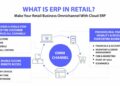
Retail
- Retail ERP solutions focus on inventory control, sales tracking, and customer relationship management to drive sales and enhance customer satisfaction.
- Integration with e-commerce platforms for seamless online and offline retail operations.
- Analytics tools for understanding customer behavior and preferences to tailor marketing strategies effectively.
Finance
- Finance ERP systems offer features for financial reporting, budgeting, and compliance with accounting standards specific to the finance industry.
- Automation of repetitive financial tasks to reduce errors and improve efficiency in financial operations.
- Integration with banking systems for secure transactions and real-time financial data updates.
Final Wrap-Up
In conclusion, top ERP systems play a pivotal role in modern business strategies, revolutionizing the way companies operate and manage their resources. With a focus on innovation and adaptability, these systems continue to shape the future of enterprise management.
Key Questions Answered
What are the key features of top ERP systems?
Top ERP systems typically offer features such as financial management, supply chain management, human resources, and customer relationship management.
How do ERP systems integrate with other software?
ERP systems can integrate with various software applications through APIs or middleware for seamless data exchange and process automation.
What industries benefit most from industry-specific ERP solutions?
Industries such as manufacturing, healthcare, retail, and finance benefit greatly from ERP solutions tailored to their specific needs and workflows.