
Embark on a journey into the world of M1 ERP, a revolutionary tool reshaping businesses with its advanced capabilities. From streamlining operations to enhancing efficiency, M1 ERP is a game-changer in the corporate landscape. Dive in to uncover the key aspects of this dynamic software solution.
Introduction to M1 ERP
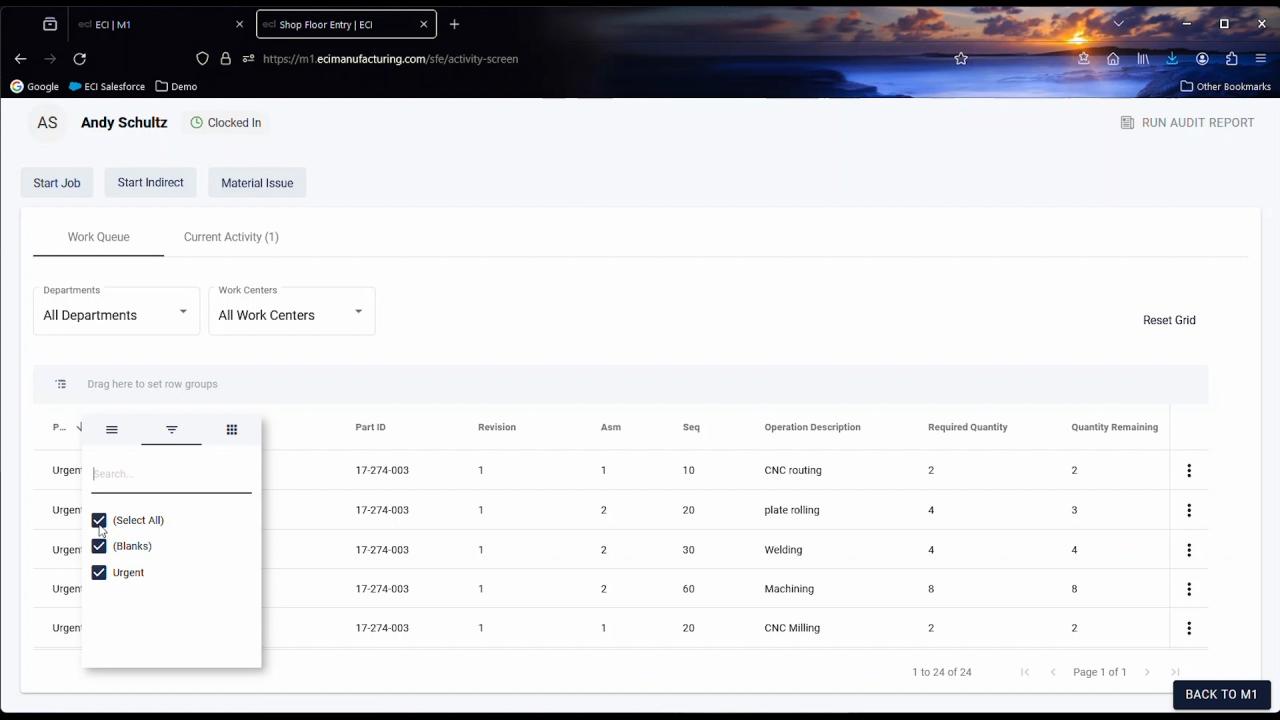
M1 ERP, which stands for Enterprise Resource Planning, is a comprehensive software solution designed to streamline and optimize business processes. It integrates various functions within an organization, such as finance, human resources, inventory management, and customer relationship management, into a single system.
This centralized approach allows for improved efficiency, visibility, and decision-making across all departments.
Key Features and Functionalities
- Financial Management: M1 ERP provides tools for managing accounting, budgeting, and financial reporting. It helps track expenses, revenue, and financial performance in real-time.
- Supply Chain Management: The system enables businesses to monitor and optimize the entire supply chain, from procurement to distribution, ensuring timely delivery and cost-efficiency.
- Inventory Control: M1 ERP helps businesses track inventory levels, manage stock movements, and optimize ordering processes to prevent stockouts and reduce carrying costs.
- Production Planning: The software assists in creating production schedules, managing work orders, and tracking manufacturing processes to improve productivity and meet customer demands.
- Customer Relationship Management (CRM): M1 ERP includes CRM functionality to manage customer interactions, track sales leads, and improve customer satisfaction through personalized services.
Industries Using M1 ERP
M1 ERP is commonly used across various industries, including manufacturing, distribution, retail, and services. Manufacturers benefit from the system's capabilities to streamline production processes, manage inventory, and optimize supply chain operations. Distributors leverage M1 ERP to improve order fulfillment, inventory control, and customer service.
Retailers use the software to manage sales, inventory, and customer data effectively. Service-based businesses rely on M1 ERP for project management, resource allocation, and financial tracking.
Implementation of M1 ERP
Implementing M1 ERP in a company involves several key steps to ensure a successful transition to the new system.
Steps Involved in Implementing M1 ERP:
- Planning and Preparation: This stage involves defining project goals, selecting a project team, and outlining a timeline for implementation.
- System Configuration: Customizing the M1 ERP system to meet the specific needs of the organization, including setting up modules and workflows.
- Data Migration: Transferring existing data from legacy systems to M1 ERP, ensuring data accuracy and consistency.
- User Training: Providing comprehensive training to employees on how to use the new system effectively.
- Testing and Deployment: Conducting thorough testing to identify and resolve any issues before deploying M1 ERP across the organization.
- Ongoing Support and Maintenance: Providing continuous support and maintenance to ensure the smooth operation of M1 ERP post-implementation.
Challenges Organizations May Face During Implementation:
- Resistance to Change: Employees may resist adopting the new system, leading to a slower adoption rate.
- Data Integration Issues: Ensuring seamless integration of M1 ERP with existing systems and processes can be challenging.
- Budget and Time Constraints: Implementation may exceed the initial budget and timeline, causing financial strain on the organization.
- Lack of Expertise: Inadequate expertise in M1 ERP implementation can hinder the successful deployment of the system.
Successful M1 ERP Implementation Stories:
- Company X streamlined their operations and improved efficiency by implementing M1 ERP, resulting in a 20% increase in productivity within the first year.
- Organization Y successfully integrated M1 ERP with their supply chain management system, reducing inventory costs and enhancing supply chain visibility.
- Business Z enhanced customer satisfaction and loyalty by leveraging M1 ERP to provide personalized services and faster response times.
Customization and Configuration
When it comes to customization and configuration, M1 ERP offers a range of options to tailor the system to meet specific business needs. This allows companies to optimize their processes and workflows for maximum efficiency and productivity.
Customization Options in M1 ERP
- Customizable fields and modules to fit unique business requirements.
- Ability to create custom reports and dashboards for in-depth analysis.
- Integration with third-party applications for seamless data exchange.
Comparison with Other ERP Systems
- M1 ERP provides a user-friendly interface for easier customization compared to more complex systems.
- The configuration process in M1 ERP is more streamlined and intuitive, reducing the need for extensive coding or IT support.
- Updates and changes can be implemented quickly in M1 ERP without disrupting daily operations.
Benefits of Customizing M1 ERP
- Improved efficiency and productivity by aligning the system with specific business processes.
- Enhanced decision-making with customized reports and analytics.
- Scalability to adapt to changing business needs and growth over time.
Integration Capabilities
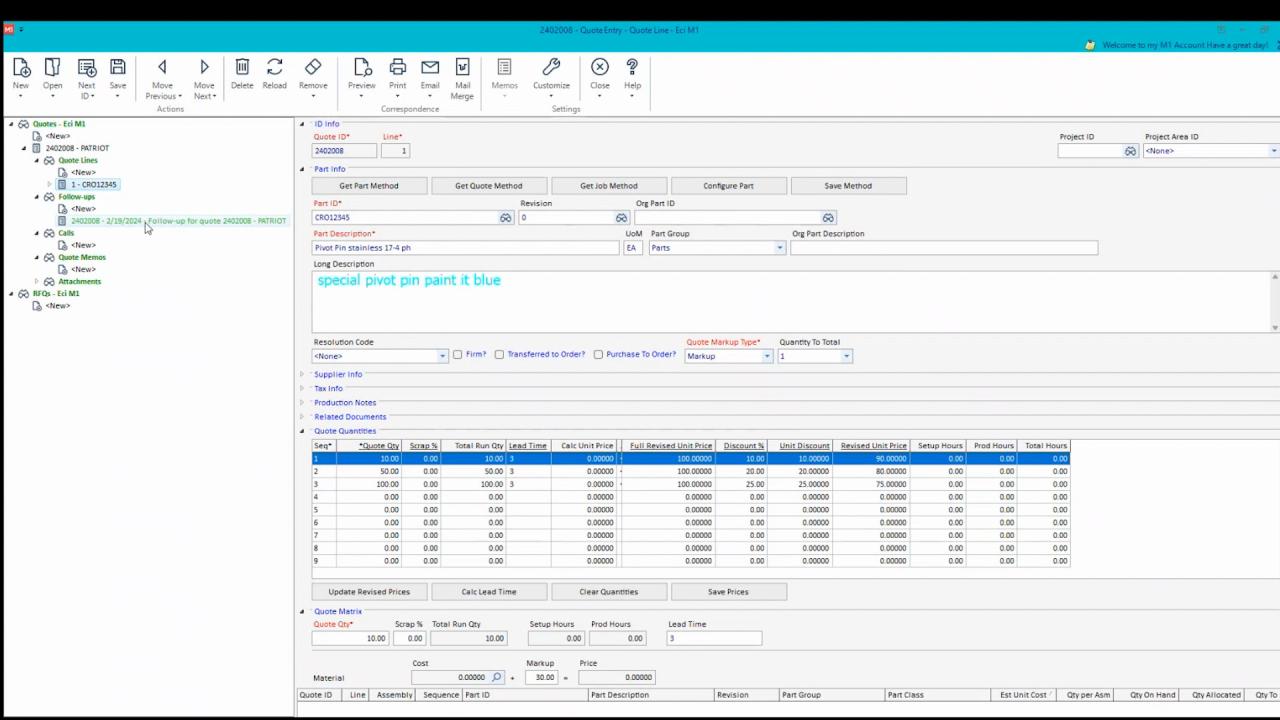
When it comes to integrating M1 ERP with other software applications, businesses can benefit from streamlined operations, improved data accuracy, and enhanced communication between different systems. Seamless integration is crucial for ensuring a cohesive workflow and maximizing the efficiency of business processes.
Common Integrations with M1 ERP
- Accounting Software: Integration with accounting software allows for the automatic transfer of financial data, such as invoices, payments, and transactions, between systems.
- CRM Systems: By integrating M1 ERP with CRM systems, businesses can ensure that customer data is synchronized across platforms, leading to better customer service and relationship management.
- E-commerce Platforms: Integration with e-commerce platforms enables real-time updates on inventory levels, order processing, and shipping information, providing a seamless online shopping experience for customers.
- Supply Chain Management Software: Connecting M1 ERP with supply chain management software helps in optimizing inventory levels, reducing lead times, and enhancing overall supply chain visibility.
Importance of Seamless Integration
Seamless integration plays a vital role in ensuring that data flows smoothly between different systems, eliminating manual data entry errors and reducing duplication of efforts. By integrating M1 ERP with other software applications, businesses can achieve a unified view of their operations, leading to better decision-making and increased productivity.
User Experience and Training
When it comes to utilizing M1 ERP effectively, user experience and training play a crucial role in ensuring successful implementation and maximizing the benefits of the system.
User Interface and Ease of Use
The user interface of M1 ERP is designed with simplicity and functionality in mind. It offers an intuitive layout, easy navigation, and clear labeling to help users easily access the necessary features and functionalities. The dashboard provides a comprehensive overview of key information and tasks, allowing users to efficiently manage their workflows.
Best Practices for Training Employees
1. Conduct comprehensive training sessions
Organize training sessions that cover all aspects of M1 ERP relevant to each user's role and responsibilities.
2. Provide hands-on practice
Encourage employees to actively engage with the system through hands-on practice sessions to familiarize themselves with the interface and functionalities.
3. Offer ongoing support
Establish a support system to address any questions or issues that may arise during system usage, ensuring employees feel confident in using the system effectively.
Importance of User Experience
A positive user experience is essential for driving user adoption and ensuring successful utilization of M1 ERP. By prioritizing user-friendly design and providing adequate training, organizations can empower their employees to leverage the full potential of the system, leading to improved productivity, streamlined processes, and ultimately, better business outcomes.
Security and Compliance
When it comes to handling sensitive business data, security and compliance are paramount. M1 ERP offers robust features to ensure the protection of valuable information and adherence to industry regulations.
Security Features of M1 ERP
- M1 ERP employs role-based access control to restrict data access to authorized personnel only.
- Encrypted data transmission and storage are utilized to safeguard information from unauthorized access.
- Regular security updates and patches are provided to address any vulnerabilities and enhance overall system security.
Compliance with Industry Regulations
- M1 ERP is designed to comply with various industry regulations such as GDPR, HIPAA, and PCI DSS, ensuring the protection of sensitive data.
- Regular audits and compliance checks are conducted to maintain adherence to regulatory requirements and standards.
- Training programs are available to educate users on compliance policies and best practices.
Tips for Maintaining Data Security and Compliance
- Regularly update passwords and implement strong authentication measures to prevent unauthorized access.
- Control user permissions and access levels to limit exposure to sensitive data.
- Backup data regularly to prevent loss in case of a security breach or system failure.
- Stay informed about the latest security threats and compliance regulations to proactively address any potential risks.
Epilogue
In conclusion, M1 ERP stands as a beacon of innovation in the realm of enterprise resource planning. With its customizable features, seamless integrations, and robust security measures, it paves the way for enhanced business performance and growth. Embrace the future with M1 ERP at your side.
FAQ Summary
What makes M1 ERP unique?
M1 ERP stands out for its comprehensive features tailored to meet the diverse needs of modern businesses, offering a seamless integration of various processes.
Can M1 ERP be customized for specific business requirements?
Yes, M1 ERP provides ample customization options to align the software with specific business needs, ensuring optimal performance.
How does M1 ERP ensure data security?
M1 ERP employs robust security features such as encryption and access controls to safeguard sensitive business data from cyber threats.