
Diving into the realm of ERP for SMEs, this introduction sets the stage for a detailed exploration of how small and medium enterprises can leverage ERP systems to enhance their operations and drive growth. From defining the significance of ERP for SMEs to discussing the key features and challenges of implementation, this overview aims to provide a comprehensive understanding of the topic.
What is ERP for SME?
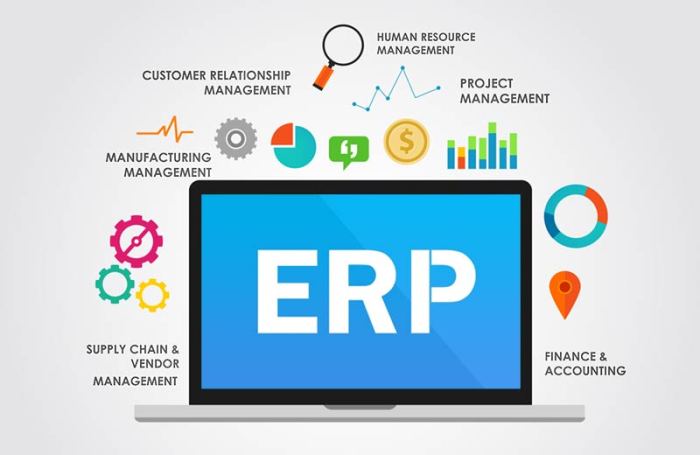
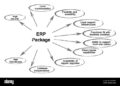
ERP, or Enterprise Resource Planning, is a type of software that integrates various business functions and processes into a single system. It allows companies to streamline operations, improve efficiency, and make data-driven decisions. For small and medium enterprises (SMEs), ERP systems play a crucial role in managing resources effectively and enhancing productivity.ERP systems can benefit SMEs in several ways by providing a centralized platform for data management, automation of repetitive tasks, real-time tracking of key metrics, and facilitating collaboration among different departments.
This leads to improved communication, reduced errors, and overall operational efficiency.
Key Features of ERP Systems for SMEs
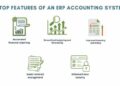
- Customization: ERP systems for SMEs are often customizable to meet specific business needs and requirements.
- Integration: These systems can integrate various functions such as finance, inventory, sales, and customer relationship management.
- Scalability: One of the key features of ERP systems for SMEs is scalability, allowing businesses to expand and grow without the need for a complete system overhaul.
- Cost-effective: ERP solutions tailored for SMEs are designed to be cost-effective, offering a good return on investment.
Importance of Scalability in ERP Solutions for SMEs
ERP systems need to be scalable to accommodate the growth of SMEs without disrupting operations or incurring additional costs. Scalability ensures that the system can handle increased data volumes, users, and transactions as the business expands. This flexibility allows SMEs to adapt to changing market conditions and scale their operations efficiently.
Implementing ERP for SMEs
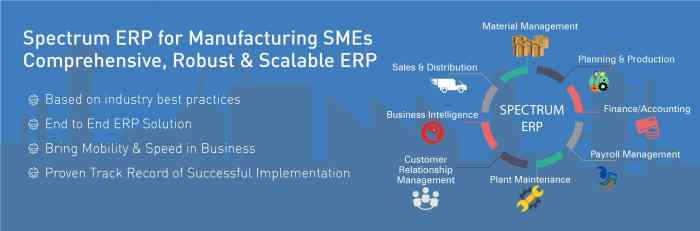
Implementing an ERP system for small and medium enterprises (SMEs) can be a crucial step towards enhancing efficiency and productivity within the organization. However, this process comes with its own set of challenges that need to be addressed for successful adoption.
Steps Involved in Implementing ERP for SMEs
- Assessment and Planning: Conduct a thorough evaluation of the current processes and infrastructure to identify the needs and objectives of implementing an ERP system.
- Vendor Selection: Research and choose a reputable ERP vendor that offers solutions tailored to the size and requirements of SMEs.
- Customization and Configuration: Work closely with the vendor to customize the ERP system to align with the specific workflows and business processes of the SME.
- Data Migration: Transfer existing data into the new ERP system while ensuring accuracy and consistency.
- Training and Testing: Provide comprehensive training to employees on how to use the ERP system effectively and conduct thorough testing to ensure smooth functionality.
- Go-Live and Support: Roll out the ERP system gradually, provide ongoing support, and monitor its performance to address any issues promptly.
Challenges in ERP Implementation for SMEs
- Limited Resources: SMEs often have budget constraints and limited IT expertise, making it challenging to invest in and manage an ERP system.
- Resistance to Change: Employees may resist adopting new processes and technologies, leading to reluctance in embracing the ERP system.
- Data Security Concerns: Protecting sensitive company data and ensuring compliance with data privacy regulations can be a significant challenge during ERP implementation.
Best Practices for Successful ERP Implementation in SMEs
- Engage Stakeholders: Involve key stakeholders from various departments in the decision-making process and implementation to ensure buy-in and support.
- Start Small: Begin with a phased approach to ERP implementation, focusing on core functionalities before expanding to other modules.
- Regular Communication: Maintain open and transparent communication with employees throughout the implementation process to address concerns and provide updates.
Role of Training and Change Management in ERP Adoption among SMEs
- Training: Provide comprehensive training programs to equip employees with the necessary skills and knowledge to effectively use the ERP system.
- Change Management: Implement strategies to manage resistance to change, such as communication, involvement, and support to facilitate a smooth transition to the new ERP system.
Customization and Integration of ERP for SMEs
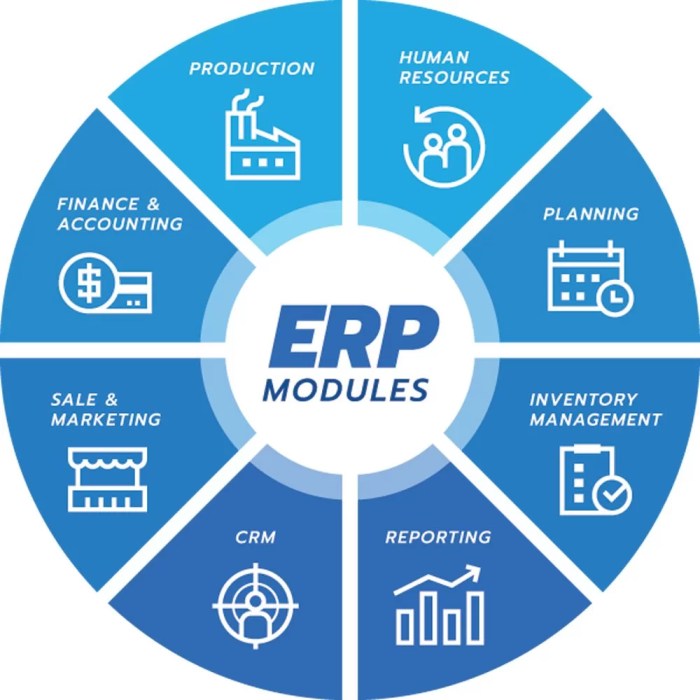
Customization and integration play a crucial role in the successful implementation of ERP systems for small and medium-sized enterprises (SMEs). Tailoring the ERP system to meet the specific needs of an SME and seamlessly integrating it with other business systems can significantly enhance operational efficiency and decision-making processes.
Importance of Customization in ERP Systems for SMEs
Customization is essential for SMEs as it allows the ERP system to align with the unique processes and requirements of the business. By customizing the ERP software, SMEs can streamline workflows, automate repetitive tasks, and improve overall productivity. For example, an SME in the manufacturing sector may need specific modules to manage inventory, production scheduling, and quality control, which can be tailored within the ERP system to meet these exact needs.
Examples of Tailored ERP Systems for SMEs
- Customized dashboards and reports to track key performance indicators relevant to the SME's industry.
- Integration of CRM (Customer Relationship Management) modules to manage customer interactions and sales data effectively.
- Adaptation of financial modules to comply with specific accounting standards or regulations applicable to the SME.
Integration of ERP with Other Business Systems in SMEs
Integration of ERP with other business systems, such as e-commerce platforms, supply chain management software, or HR systems, is crucial for achieving a seamless flow of data across the organization. This integration ensures that information is consistent, up-to-date, and easily accessible to all departments.
For instance, linking the ERP system with the e-commerce platform allows real-time inventory updates, order processing, and customer data synchronization.
Benefits of Seamless Data Flow between ERP and Other Tools
- Improved decision-making through access to accurate and timely information from various business systems.
- Enhanced efficiency by reducing manual data entry and minimizing errors in data transfer between systems.
- Increased visibility into operations, enabling better resource allocation, forecasting, and performance monitoring.
Cost Considerations and ROI of ERP for SMEs
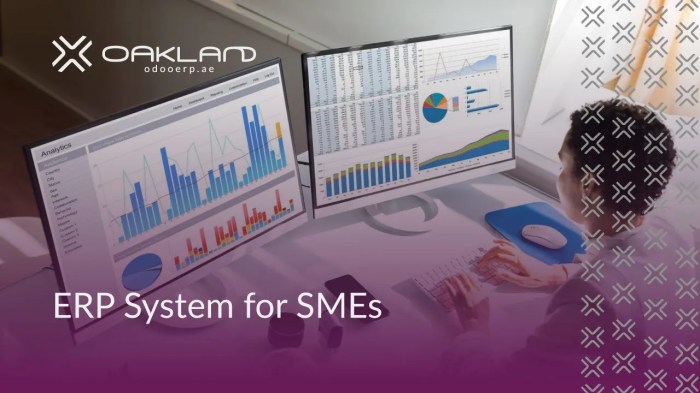
Implementing an ERP system for small and medium enterprises (SMEs) involves various cost considerations and a focus on maximizing return on investment (ROI). Let's delve into the factors influencing the cost implications and ROI of ERP for SMEs.
Cost Implications of Implementing ERP for SMEs
- Initial Investment: SMEs need to consider the upfront costs of purchasing ERP software, implementation, training, and customization to suit their specific needs.
- Maintenance Costs: Ongoing expenses for system maintenance, updates, and support services should be factored in for long-term sustainability.
- Integration Costs: Connecting ERP with existing systems and databases may require additional investments to ensure seamless data flow and functionality.
Factors Influencing ROI of ERP in SMEs
- Efficiency Gains: Improved productivity, streamlined processes, and reduced manual work can lead to significant cost savings and operational efficiency.
- Decision-making Capabilities: Access to real-time data and analytics can empower SMEs to make informed decisions quickly, impacting profitability and performance.
- Customer Satisfaction: Enhanced customer service and satisfaction through better order processing, inventory management, and communication can drive business growth and loyalty.
Strategies for Maximizing ROI and Cost-effectiveness
- Thorough Planning: Conduct a comprehensive needs assessment and choose an ERP solution that aligns with your business goals to optimize ROI.
- Employee Training: Invest in training programs to ensure staff proficiency and utilization of ERP functionalities for maximum efficiency.
- Continuous Improvement: Regularly review processes, analyze data insights, and seek opportunities for optimization to enhance ROI over time.
Long-term Cost Savings and Benefits of ERP for SMEs
- Scalability: ERP systems can adapt to the growth of SMEs, providing a scalable solution that supports expansion without significant additional costs.
- Risk Mitigation: Improved data accuracy, compliance, and security measures can reduce the risk of errors, fraud, and regulatory penalties, saving costs in the long run.
- Competitive Edge: By leveraging ERP capabilities for innovation, agility, and customer service, SMEs can stay competitive and seize new opportunities for growth and profitability.
Conclusion
In conclusion, the journey through ERP for SMEs sheds light on the critical aspects of customization, integration, cost considerations, and ROI. By embracing ERP solutions tailored for SMEs, businesses can achieve greater efficiency, productivity, and long-term success.
FAQ Resource
What are the key benefits of implementing ERP for SMEs?
ERP systems can streamline operations, improve data accuracy, enhance decision-making, and boost overall productivity for small and medium enterprises.
How can SMEs ensure successful ERP implementation?
SMEs can achieve successful ERP implementation by setting clear goals, involving key stakeholders, providing adequate training, and addressing any challenges proactively.
What factors should SMEs consider when evaluating the ROI of ERP?
SMEs should consider factors such as initial investment, ongoing maintenance costs, improvements in efficiency, and long-term business growth when evaluating the ROI of ERP.